

35 articles
Cream teas, clifftop views, half-told legends, and beaches you’ll think about all winter – Cornwall is packed with the sort of things people fall for fast. You’ve got surfing in Newquay, stories in Tintagel, art in St Ives, and pasties everywhere… there’s wild weather, warm pubs, proper moorland hikes, and a coastline that refuses to be boring. And there’s all the history, mystery, and just enough eccentricity to keep it interesting. Ask what Cornwall’s famous for, and you won’t get a short answer. But this is a very good place to start.
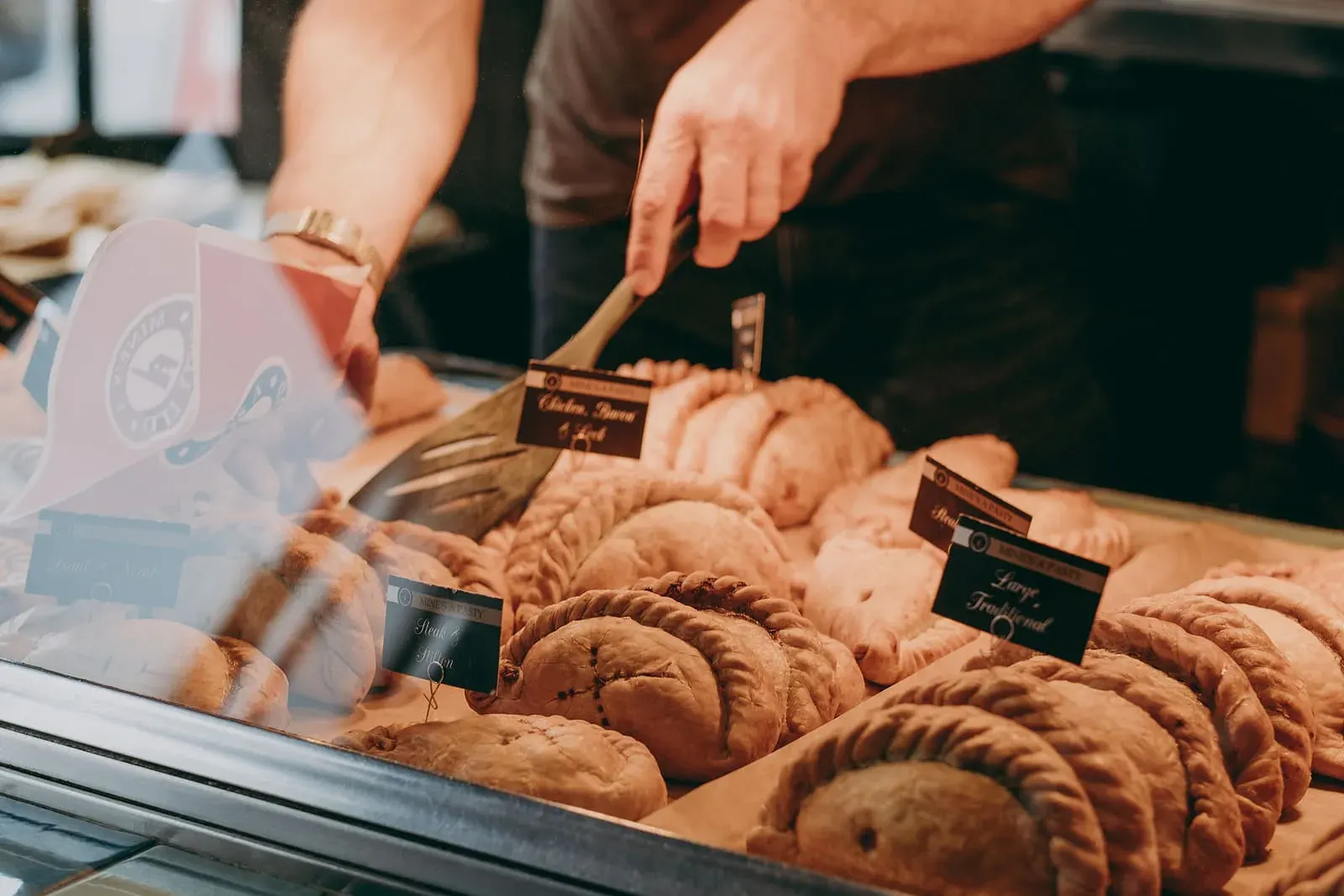
The Cornish Pasty (Of Course)
Start here, because what’s more famous? The clue’s even in the name. The Cornish Pasty isn’t just a snack – it’s a protected part of British food heritage and arguably the best-known symbol of Cornwall itself. Traditionally made with beef, potato, onion, and swede, all wrapped in pastry with a distinctive crimped edge, the pasty became a staple of tin mining communities thanks to its convenience and durability.1
Miners held the thick crust to avoid contaminating the filling with arsenic-laced hands – then threw it away! Superstitions even suggested leaving crusts for the ‘knockers’ (mischievous mining spirits) for good luck. There are modern variations, of course, but the original still reigns supreme – and by law, anything called a Cornish pasty must be made in Cornwall (and ideally, it should be made west of the Tamar for the ultimate in authenticity.2
The pasty isn’t just history – it’s a proper, hearty lunch, and there are local competitions, family secrets, and bakeries that sell out before noon. Some Cornish schools even include pasty-making in lessons, and thanks to expat Cornish communities, you can now find Cornish pasties as far away as Australia and Mexico.
Cream Teas, Scones, and Clotted Cream
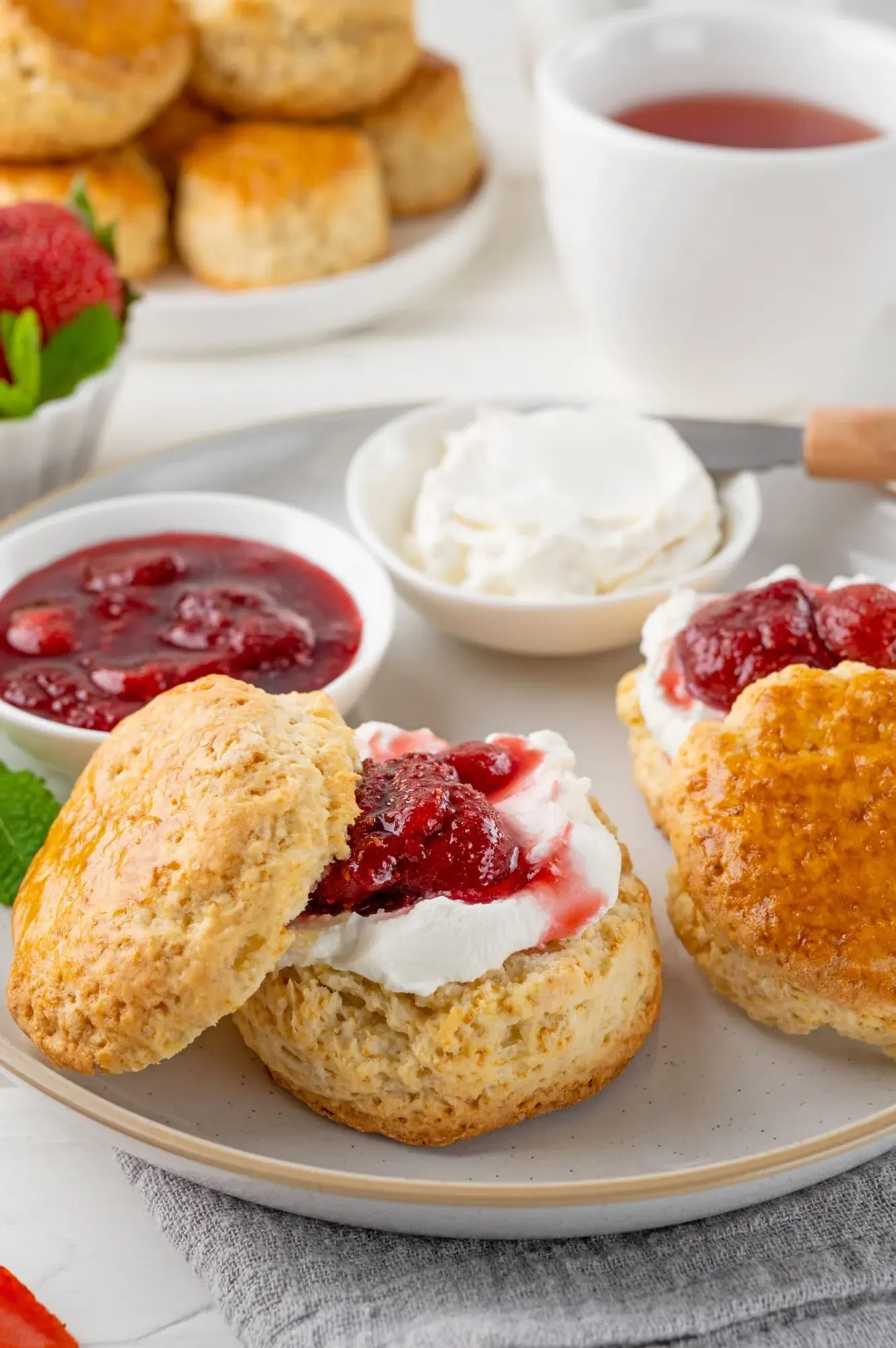
No trip is complete without a proper cream tea, and yes, you’ll be expected to follow the Cornish method: jam first, then Cornish clotted cream 3 rather than Devon’s way with cream being slathered on first. Remember, the scone is really just the delivery method – it’s the cream and jam that matter here, and if you pair it with tea in a sea-facing café and you’ll understand why people go misty-eyed at the memory.
There’s a kind of ritual to it, really, and if you don’t understand right now, just you try sitting in a tiny café in Fowey or St Austell, with a wobbly wooden table and a plate of warm scones, and tell me it doesn’t matter. Spoiler: it does.
King Arthur, Tintagel & Myths by the Sea
The Cornish coast is littered with legends, but none loom larger than King Arthur, and at Tintagel Castle, clinging to the cliffs in dramatic ruin, you’ll find the supposed birthplace of Arthur himself. It’s a wind-blasted, awe-filled place – part historical site, part atmospheric dreamscape.4 Even more exciting is the fact that excavations in recent decades have revealed post-Roman structures suggesting the area was an elite settlement, giving new weight to the old tales.5
Nearby Boscastle, with its Museum of Witchcraft and Magic, adds to the area’s eerie pull, and just along the coast, you’ll find Doc Martin’s fictional home of Port Isaac, mixing television nostalgia with real-world ruggedness.
Art and Culture
Cornwall is full of surprises, and some of the biggest are cultural. For example, Barbara Hepworth lived and worked in St Ives, and her former studio is now a museum and sculpture garden.6 Plus, The Tate St Ives itself brings international art to this small fishing town with huge skies and golden light.
The sheer amount of creative energy packed into the county is surprising. Writers, sculptors, painters… there’s something about the light here, the space, the coastlines that makes people want to make things.
Add to that the influence of artists like Ben Nicholson and Naum Gabo, and you start to see why St Ives became a hub for British modernism in the 20th century, so it’s no surprise that the town’s artistic legacy now draws thousands each year. And even smaller towns and villages across Cornwall have their own galleries and artist collectives, often housed in repurposed chapels, harbourside sheds, or old schoolhouses.
Plenty of writers have looked to Cornwall for inspiration, and it’s easy to see why when the mix of isolation, drama, and beauty has a way of creeping into stories. To the Lighthouse by Virginia Woolf was shaped by her early holidays in St Ives, and once you start noticing, you’ll spot Cornwall turning up in books, scripts, and poems more often than you’d expect, sometimes directly, sometimes thinly disguised.
Music and theatre have long had a foothold here too. You’ll find folk festivals in Helston and Falmouth that still bring whole communities out onto the streets, and of course the Minack Theatre puts on outdoor performances with a backdrop so dramatic it almost upstages the cast. But it’s not just about the big events – you might hear a brass band practising in a town square, stumble across a singer in a harbour pub, or find an art school putting on something unexpected in a village hall.
Proper Cornish Ice Cream
And speaking of things that stick, Cornish ice cream – especially the local stuff, thick with clotted cream – might be the most indulgent way to survive a heatwave on the north coast. Even better when eaten on a wall, looking out over Sennen or Perranporth.
The Mining Past
Cornwall’s not just pretty – its past was tough and proud, and nowhere is that more visible than in the abandoned engine houses and the windswept stretches of Bodmin Moor. Tin mining defined the region’s economy and landscape for centuries – and echoes of that time remain in places like the UNESCO-listed West Cornwall and West Devon Mining Landscape.7
Shows like Poldark tapped into this industrial past, mixing brooding heroes with bleakly beautiful backdrops, and of course, the moor itself is full of old Celtic legends, Bronze Age stones, and wide, lonely views. It’s Cornwall stripped down – raw, powerful, and unforgettable.
In fact, you can still visit Levant Mine or the Geevor Tin Mine and walk through tunnels and shafts that once kept families alive. The machinery may be still now, but the echoes are loud.
The Poldark Effect
You can’t really talk about modern Cornwall without mentioning Poldark. Whether you first met Ross in the original 1970s series or fell for Aidan Turner’s windswept version in the 2015 reboot, the impact has been huge; the show didn’t just dramatise Cornwall’s 19th century mining struggles, it showcased the Cornish coast at its wildest and most beautiful, from the windswept cliffs of Botallack to the golden stretches of Church Cove and Porthcurno.
Tourism boards credit the show with helping spark a fresh wave of interest in the region, particularly among international visitors.8 And while not every scene is historically accurate (the hair is suspiciously good for the 1700s), the emotional heart of it – resilience, pride, and land – feels spot on. You can even visit some of the filming locations, many of which are part of the Cornish Mining World Heritage Site, and walk the same dramatic trails.
Smuggling Adventures
Cornwall’s coastline isn’t just beautiful – it was once the perfect cover for smugglers, especially in the 18th and 19th centuries, when high taxes made illicit trade all too tempting. Quiet coves like Polperro, Boscastle, and Mousehole became havens for moving contraband, from brandy and tea to tobacco and silk, and the narrow alleyways, sea caves, and even tidal causeways made it easy to vanish with the goods before the excise men could blink, and entire communities turned a blind eye – or even lent a hand – because smuggling wasn’t just a crime here, it was a way to survive. Today, you’ll find local museums and old inns with stories etched into their beams, and a few places even claim ghostly sightings of smugglers still guarding their hidden stashes.9
The most famous literary echo of this history is Daphne du Maurier’s Jamaica Inn (1936), a gothic tale set among smuggling gangs, based on the real coaching inn on Bodmin Moor where she stayed in 1930. Du Maurier described riding through mist to the inn, hearing folklore from the rector about ghostly wreckers and hidden barrels – a moment that helped shape her storytelling .
Seaside Towns and Cultural Contrasts
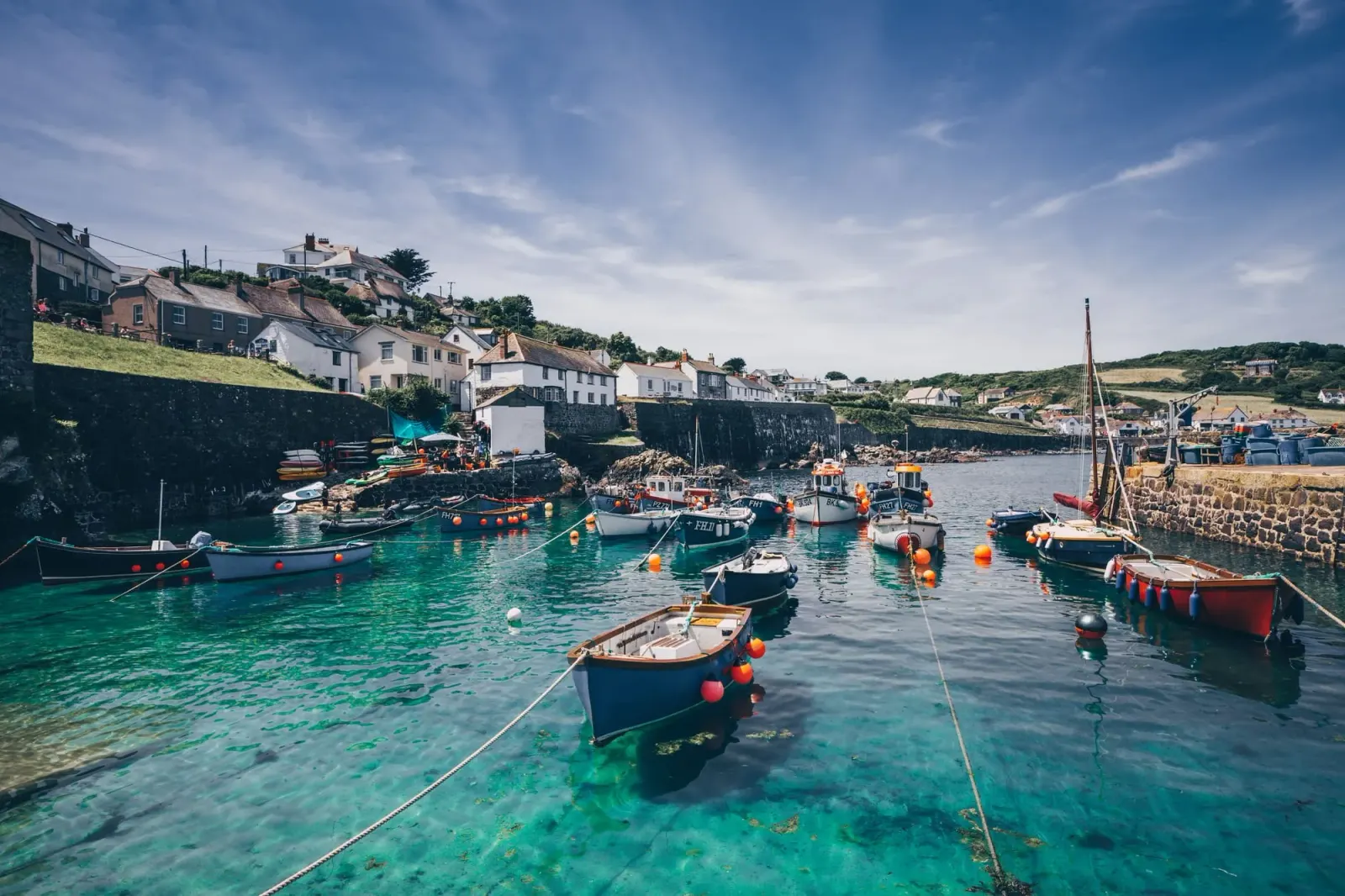
From Padstow, where Rick Stein built a seafood empire, to Fowey with its literary links to Daphne du Maurier, Cornwall’s towns have distinct personalities. Falmouth, with its universities, creative energy and busy harbour, feels totally different from the calm, storybook feel of Mousehole. Then there’s Penzance – a blend of Victorian grandeur and modern grit – and Helston, known for its annual Furry Dance.10
There are cafes in converted lifeboat stations. Breweries with sea views. Dog-friendly beaches stretching for miles. The best thing about Cornwall is that it’s a place full of tiny contrasts and unexpected finds.
You get the sense, wandering these towns, that they’re lived in; they’re not for show. They’ve got old buildings with uneven floors, people who know each other’s names, and independent shops that haven’t given up yet. And that’s part of the magic of Cornwall.
The Eden Project and Other Green Wonders
No list of famous Cornish attractions could be complete without the Eden Project. It’s world-famous for a reason – those giant biomes, shaped like soap bubbles, house rainforest and Mediterranean ecosystems in what used to be a barren clay pit. It’s an environmental education centre, botanical wonder, and architectural icon all at once,11 and since opening in 2001, it’s contributed significantly to local employment and regional regeneration.
And it’s not alone. The Lost Gardens of Heligan, not far away, are another brilliant rediscovery – gardens reclaimed from ruin, full of hidden sculptures and tangled paths.
Cornwall has made nature part of the attraction. It’s not all beach towels and buckets; it’s preservation, cultivation, and imagination.
Theatre on the Cliffs
The Minack Theatre is one of the most dramatic venues in the south west – carved into the clifftop at Porthcurno, it overlooks turquoise water and a curve of beach so perfect it feels unreal. Watch a play there at sunset, and you’ll remember it forever.
Watersports Below
Meanwhile, down on the beaches, it’s all about surfers, watersports, and windbreaks. Newquay is still the go-to for big surf,12 but almost every cove has someone trying out a paddleboard or kayak. It’s true that Land’s End might get the name recognition, but the joy is in all the tiny corners between.
The coast gives you both ends of the spectrum – high drama and slow calm. And every beach is different. Some are wild, some are peaceful, some feel like secrets, others are full of chatter and seagulls… So what are you looking for? Cornwall’s beaches have it.
The Surfing is Great
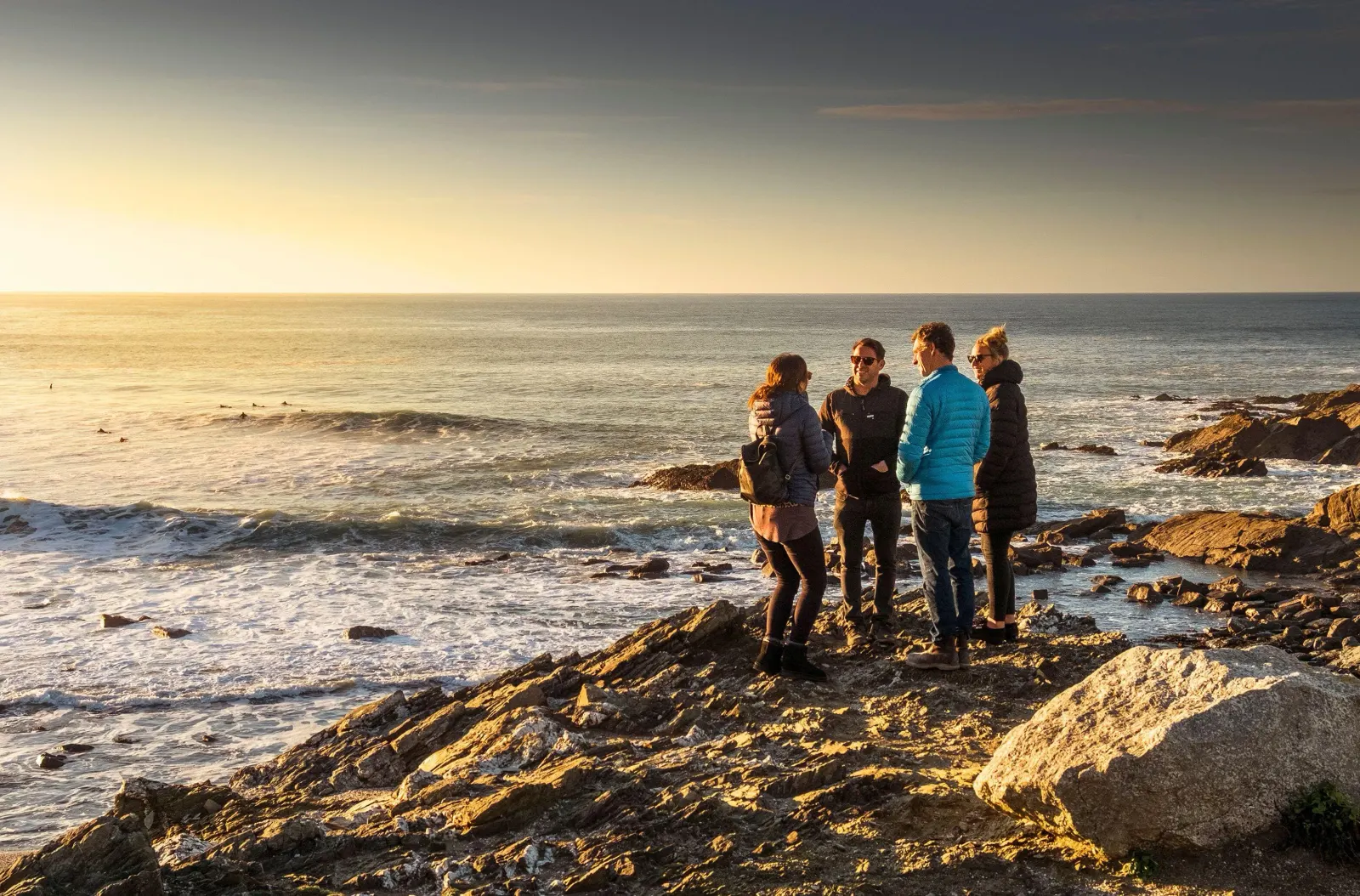
Surfing isn’t just something you do in Cornwall – for many, it’s a way of life. From the first chilly wave caught before school in Newquay to the seasoned locals riding clean breaks off Perranporth, the county’s reputation as the UK’s surf capital is well-earned. The swell on the north coast, shaped by Atlantic winds and rugged headlands, draws surfers from across the world, while surf schools, board hire huts, and salt-stained vans have become part of the landscape. And while Newquay’s Fistral Beach gets the headlines, quieter spots like Sennen, Bude, and Porthtowan still offer space to learn, wipe out, or just watch the waves roll in.
The Little Things That Add Up
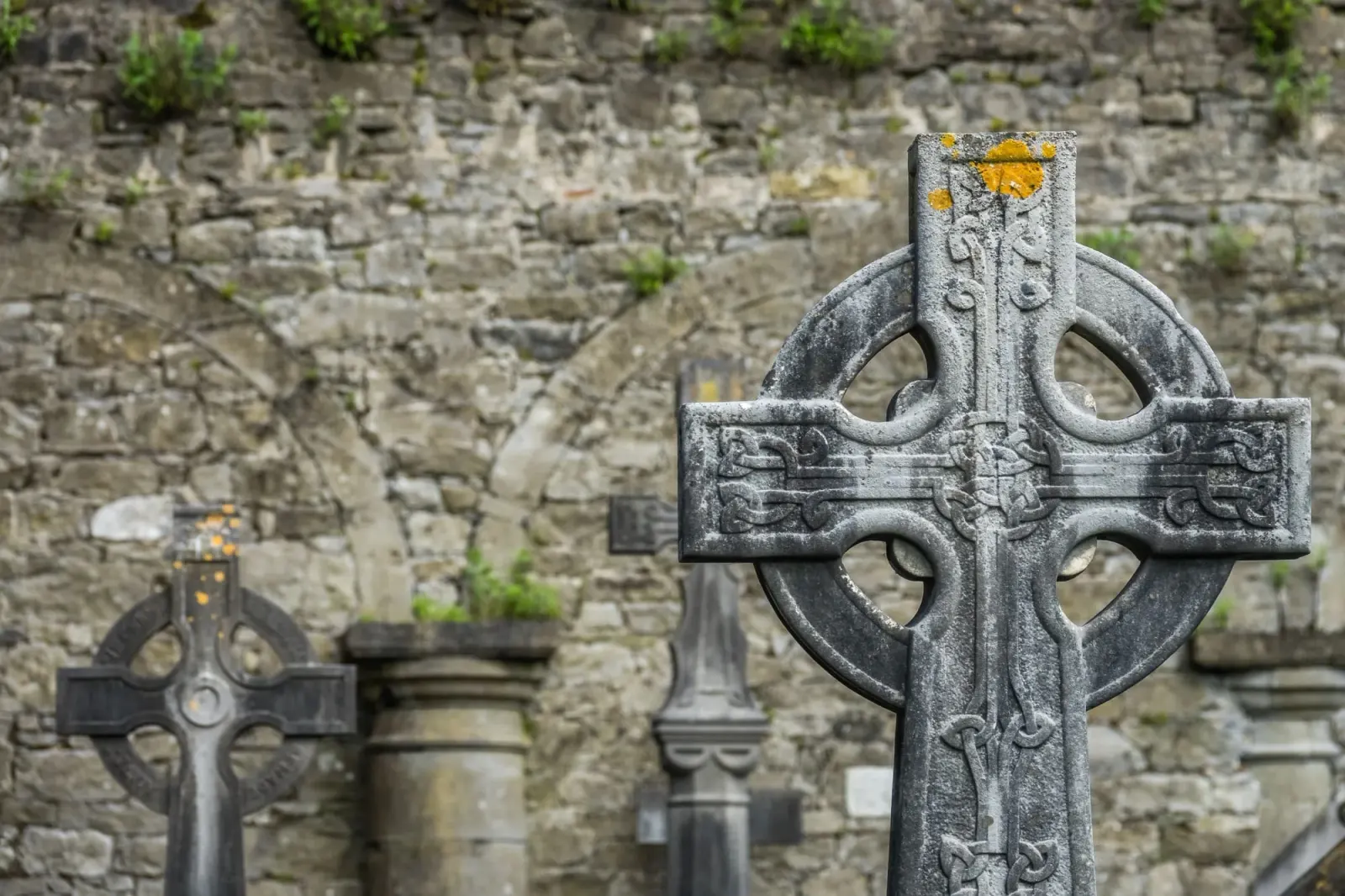
Cornwall famous isn’t one thing. It’s dozens of things – small, local, odd, and glorious. It’s the Cornish language surviving in signage and speech. It’s stargazy pie,13 peeking its fish heads through pastry. It’s the way light hits the rugged coastline in the evening. It’s wandering a dog-friendly beach and finding a crab shell shaped like a heart. It’s knowing that Truro is the only city, but that everywhere else still feels important in its own way.
It’s remembering that yes, Devon is next door, but Cornwall always has something just a bit more eccentric up its sleeve.
What Is Cornwall Most Famous For?
It depends who you ask – and when. For some, it’s the taste of a just-baked Cornish pasty on a cold cliff walk, for others, it’s the echo of theatre lines under the stars at Minack, or the first wave caught at Newquay. It’s the silence of Tintagel in the wind. The chaos of a summer’s day in St Ives. The green hush inside a biome. It’s the past, written into rock, and the future, brewing in a dockside café. It’s everything above – and all the little things you won’t realise meant something until you’ve left.
That’s what Cornwall’s famous for.
Article Sources
- Johnson, B. (no date) History of the Cornish Pasty. Historic UK. Available at: https://www.historic-uk.com/CultureUK/The-Cornish-Pasty Historic UK[↩]
- Cornish Pasty Association (2023) About the pasty | Cornish Pasty Association | Genuine Cornish Pasty. Available at: https://cornishpastyassociation.co.uk/about-the-pasty/ Cornish Pasty Association[↩]
- Cornish Cream Teas (no date) The Cream Tea Conundrum: Devon vs Cornwall. Available at: https://cornishcreamteas.com/blogs/news/the-cream-tea-conundrum-devon-vs-cornwall Cornish Cream Teas[↩]
- English Heritage (no date) Tintagel Castle. Available at: https://www.english-heritage.org.uk/visit/places/tintagel-castle/ English Heritage[↩]
- Anastamos (2017) The Once and Future Site. Chapman.edu. Available at: https://anastamos.chapman.edu/index.php/portfolio-item/the-once-and-future-site/index.html Anastamos[↩]
- Tate (2019) Barbara Hepworth Museum and Sculpture Garden. Tate. Available at: https://www.tate.org.uk/visit/tate-st-ives/barbara-hepworth-museum-and-sculpture-garden Tate[↩]
- UNESCO World Heritage Centre (2006) Cornwall and West Devon Mining Landscape. Available at: https://whc.unesco.org/en/list/1215/ UNESCO World Heritage Centre[↩]
- Visit Cornwall (2025) 10 Poldark inspired things to do. Visitcornwall.com. Available at: https://www.visitcornwall.com/things-to-do/film-and-tv/10-poldark-inspired-things-to-do Visit Cornwall[↩]
- Jamaica Inn (no date) Smugglers Museums in Cornwall | Things to do in Bodmin | Jamaica Inn. Available at: https://www.jamaicainn.co.uk/cornwall-museum Jamaica Inn[↩]
- Timetravel-britain.com (2025) The Helston Furry Dance. Available at: https://www.timetravel-britain.com/articles/history/helston.shtml Time Travel Britain[↩]
- Eden Project (2015) Learn. Available at: https://www.edenproject.com/learn Eden Project[↩]
- Visit Newquay (2016) Surfing – Newquay. Visitnewquay.org. Available at: https://www.visitnewquay.org/things-to-do/water-sports/surfing Visit Newquay[↩]
- Rick Stein (2022) Rick Stein’s Cornwall: Stargazey Pie Recipe. Available at: https://rickstein.com/blog/rick-steins-cornwall-stargazy-pie-recipe Rich Stein[↩]
Frequently Asked Questions
Cornwall is known for its dramatic coastline, golden beaches, Cornish pasties, Celtic heritage, and historic fishing villages. It is also famous for landmarks like Land’s End, St Michael’s Mount, the Eden Project, and for surfing, coastal walks, and traditional cream teas.
Cornwall is famous for Cornish pasties, clotted cream, cream teas, and fresh seafood such as crab, lobster, and mackerel. The county is also known for Cornish ice cream, local cheeses, traditional ales, and cider made from locally grown apples.
The top attractions in Cornwall include Land’s End, St Michael’s Mount, the Eden Project, Tintagel Castle, and the Minack Theatre. Visitors also come for Cornwall’s beaches, coastal paths, fishing villages like St Ives, and iconic landmarks along the rugged coastline.
Cornwall is a popular tourist destination because of its stunning coastline, sandy beaches, mild climate, and scenic coastal walks. It also attracts visitors with surfing, historic villages, famous landmarks, local food, and a relaxed seaside atmosphere.
Cornwall is historically famous for tin and copper mining, its Celtic heritage, and ancient legends linked to King Arthur and Tintagel Castle. The county also played an important role in maritime history, fishing, and trade, shaping Cornwall’s distinctive culture.
Cornwall is popular with tourists for its beautiful beaches, dramatic coastline, mild climate, and scenic coastal walks. It also attracts visitors with surfing, historic fishing villages, famous landmarks, local food, and a laid-back seaside lifestyle.
Cornwall is famous for beaches such as Fistral Beach, Porthcurno, Kynance Cove, Watergate Bay, and Perranporth, known for golden sand, clear waters, surfing, and dramatic coastal scenery.
Cornwall is famous for towns and villages like St Ives, Padstow, Falmouth, Newquay, Port Isaac, and Mousehole, known for charming harbours, historic streets, coastal views, and vibrant local culture.
Cornwall is famous for landmarks such as Land’s End, St Michael’s Mount, Tintagel Castle, the Eden Project, and the Minack Theatre, known for stunning coastal views, historic significance, and unique architecture.
Yes, Cornwall is famous for surfing, especially in Newquay, Fistral Beach, and Watergate Bay, offering some of the best waves, surf schools, and competitions in the UK.
Cornwall is famous for its Celtic heritage, Cornish language, traditional music, local festivals, and strong regional identity reflected in folklore, art, and coastal community life.
Cornwall is famous for festivals like Golowan, Obby Oss, The Great Estate Boardmasters, and seafood festivals, celebrating Cornish culture, music, food, and traditional customs.
Written by
Lisamarie is a writer and researcher with a long-standing love for Cornwall – its towns, coastlines, folklore, and everything in between. Most of her work involves blogging and articles, often focused on places and people, which pairs neatly with her fiction writing since both sides of her work let her balance research with imagination (and indulge a fondness for obscure facts). She lives with her husband, daughter, and a cat called Cheryl in a cottage in the Kent countryside, where she writes, paints, and watches horror films.
35 articles published on Cornwall.co.uk
Read more from Lisamarie Lamb →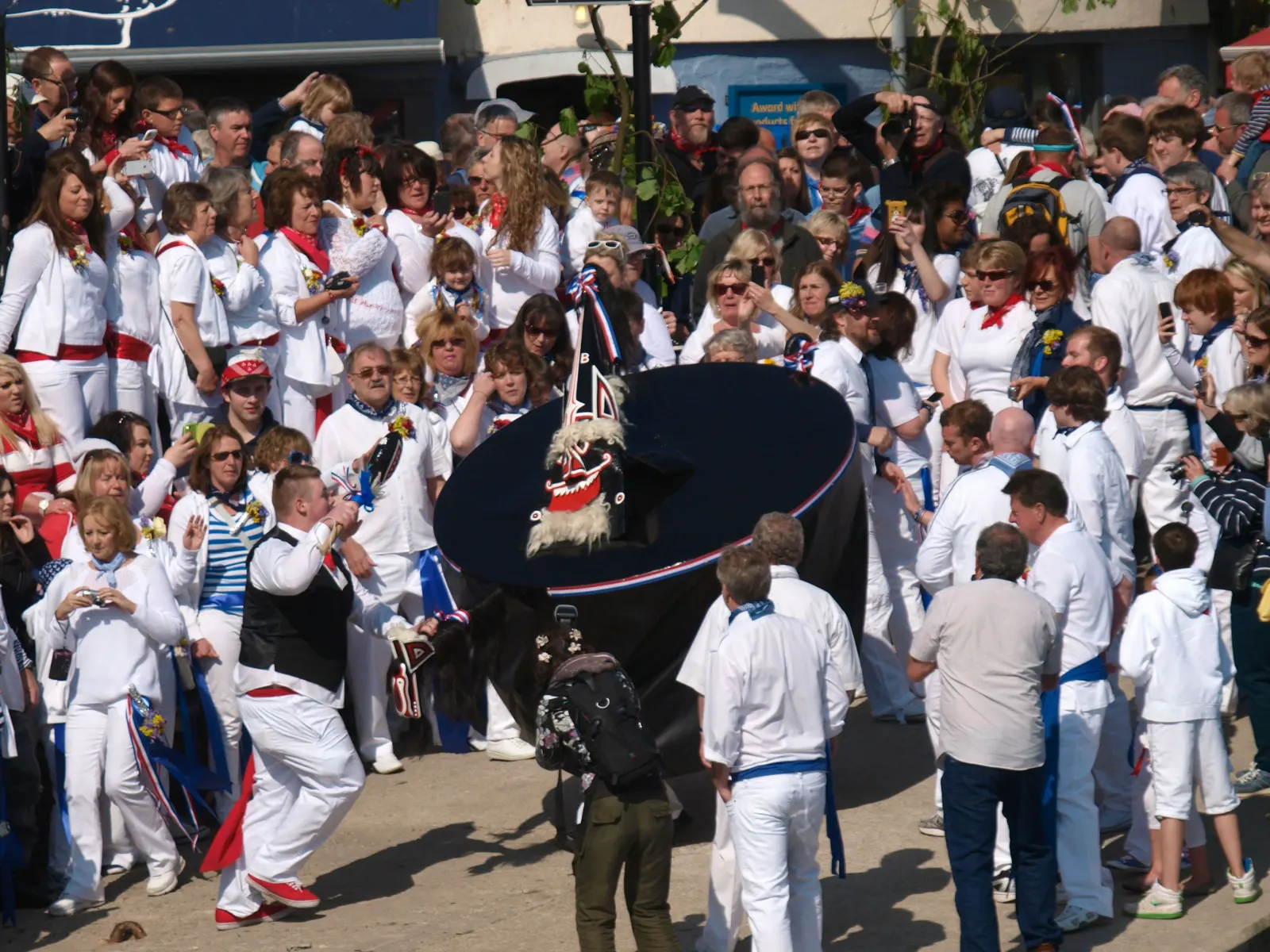
Comments
No comments yet — be the first to share your thoughts.
Leave a comment
Your email won’t be published. Comments are checked before they appear.