

13 articles
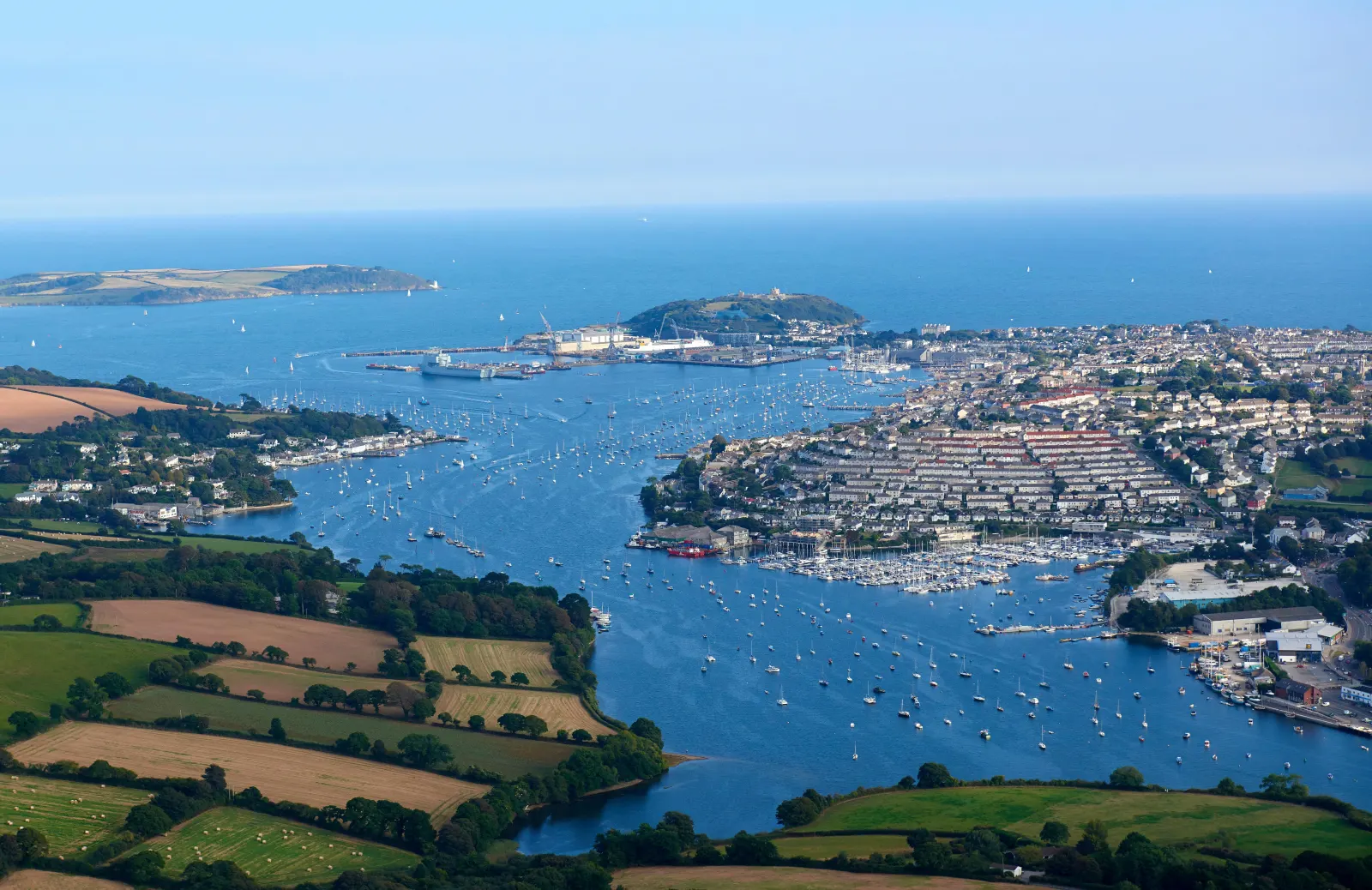
Did you know that Falmouth has the third deepest natural harbour in the world? Nestled on the shores of Cornwall’s south coast and founded by Sir John Killigrew in 1613, it has been a key defensive post throughout many wars, has one of the most significant ports in the country, and was once home of the Royal Mail packet ships.
Key attractions include Pendennis Castle, which stands guard over the Carrick Roads and the National Maritime Museum, which provides insight to how the ocean has shaped the lives and culture of the area. Falmouth is also known for its crafty selection of independent shops and excellent choice of pubs and freehouses which line its high street, plus its town beaches.
Falmouth images
Things to See and Do in Falmouth
Falmouth has undeniably played a pivotal role in shaping history. Fascinating landmarks throughout the town bring this history to life whilst paying homage to past events. Many of them can be enjoyed by adults as well as families.
Historical Attractions
Pendennis Castle: Standing guard over the entrance of the River Fal since 1542, Pendennis Castle is one of many coastal fortresses built by King Henry VIII during the Tudor Period. Make your way to the battery to learn about the castle’s defensive role in various international skirmishes throughout history, then climb to the top of the keep to feast your eyes on panoramic views over Falmouth Bay. Don’t forget to check Pendennis’ calendar of interactive activities throughout the year, which make it a popular day out for families.1
Killigrew monument: A nod to the town’s founder, the Killigrew Monument is found opposite Arwenack Manor – the oldest house in Falmouth and once home to this prestigious Cornish family. Read the plaque next to the monument to gain insight into the Killigrews’ role in the founding and history of Falmouth.2
Local Heritage
Falmouth Art Gallery: Discover works from prolific 19th and 20th century artists, along with contemporary works, photography and a children’s illustration archive. Located on the moor, with rotating exhibitions and free entry for all the family, this award-winning gallery houses one of the most important art collections in Cornwall.3
National Maritime Museum Cornwall: Discover boats that have changed history, hear inspiring stories linked to the ocean and explore five floors of exhibitions and activities. Located on the harbour, this award-winning museum provides insight to the area’s maritime heritage, and how the sea has shaped the lives and history of Cornwall and the United Kingdom.4
Family Activities
Kimberly Park: Near the town centre, Kimberly Park is a 7-acre site with ornamental trees, flower beds and an outdoor play area for children. Don’t miss the art stage which hosts a number of family friendly events throughout the year. With accessible pathways and plenty of grass to sit on it is a place for the whole family and a delightful spot for a sunny picnic.5
Raze the Roof: For indoor occasions, Raze the Roof is the local soft play area. With a playframe, slides, ball cannons and a climbing wall, young children will be easily entertained. Older children and adults can enjoy Laser Tag, VR arenas and Gel Blasting.6
Outdoor Activities
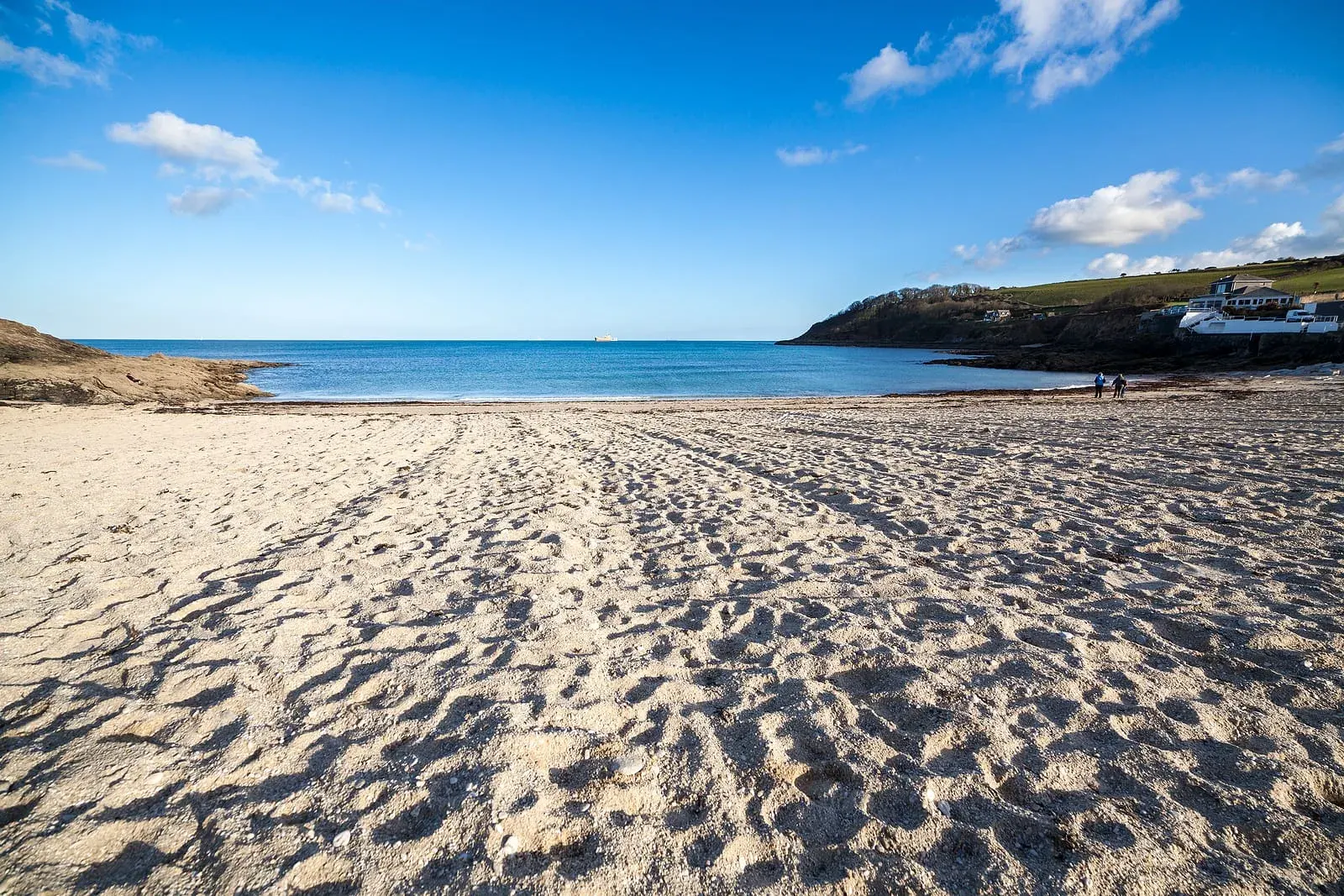
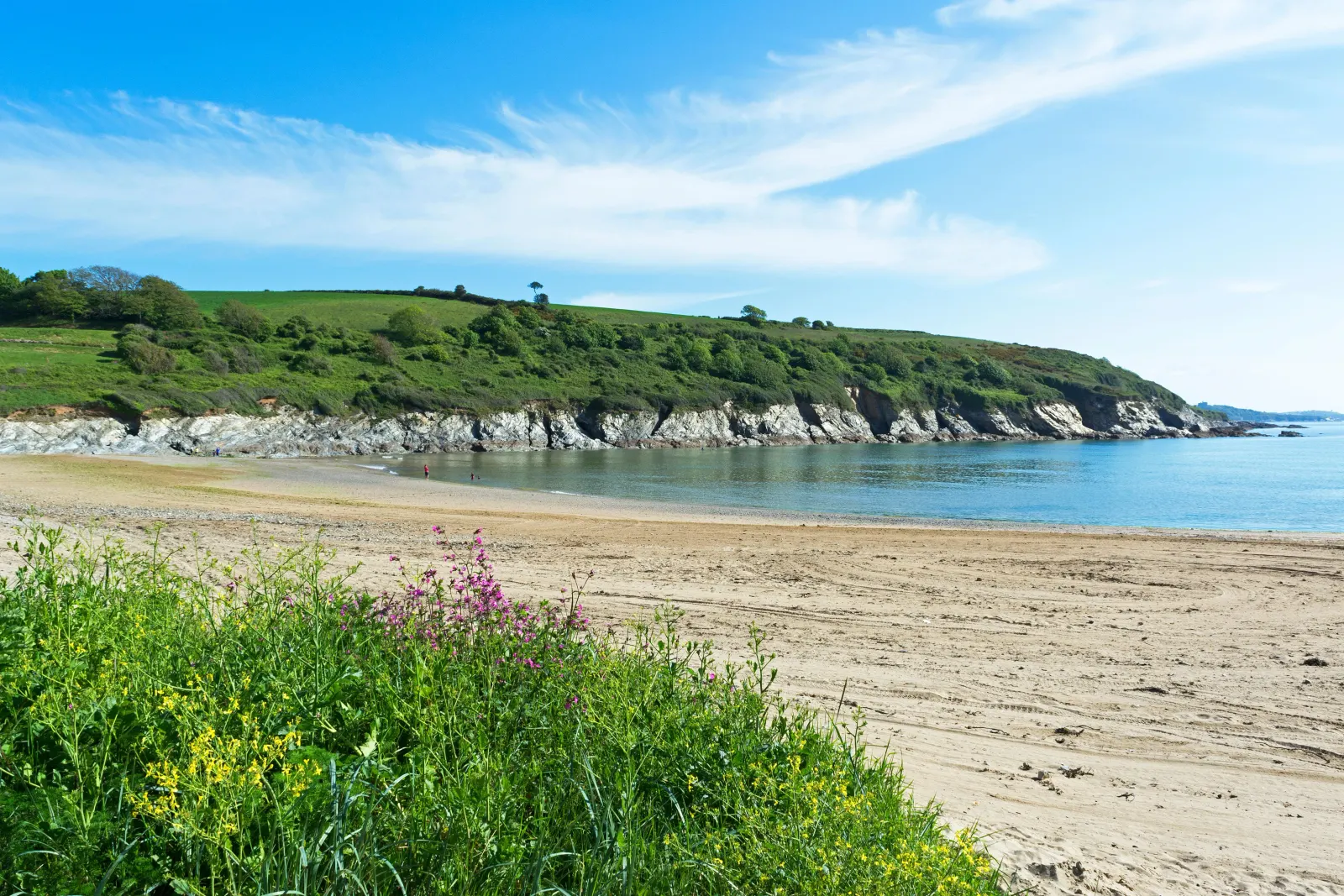
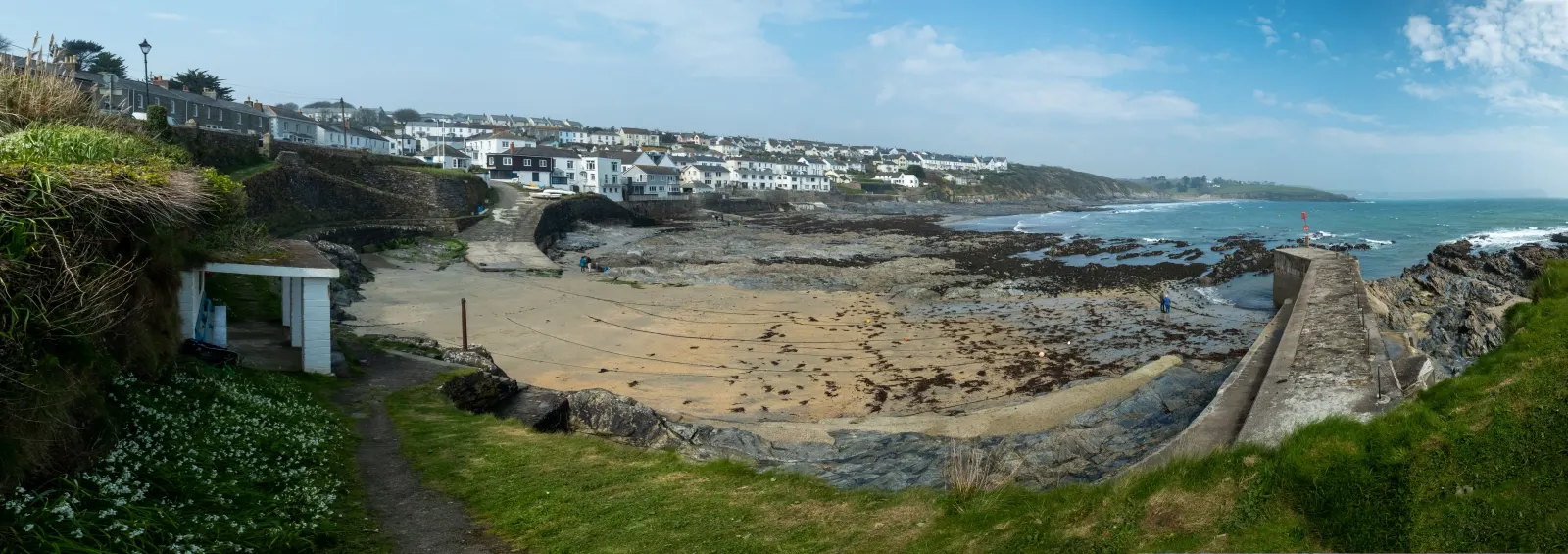
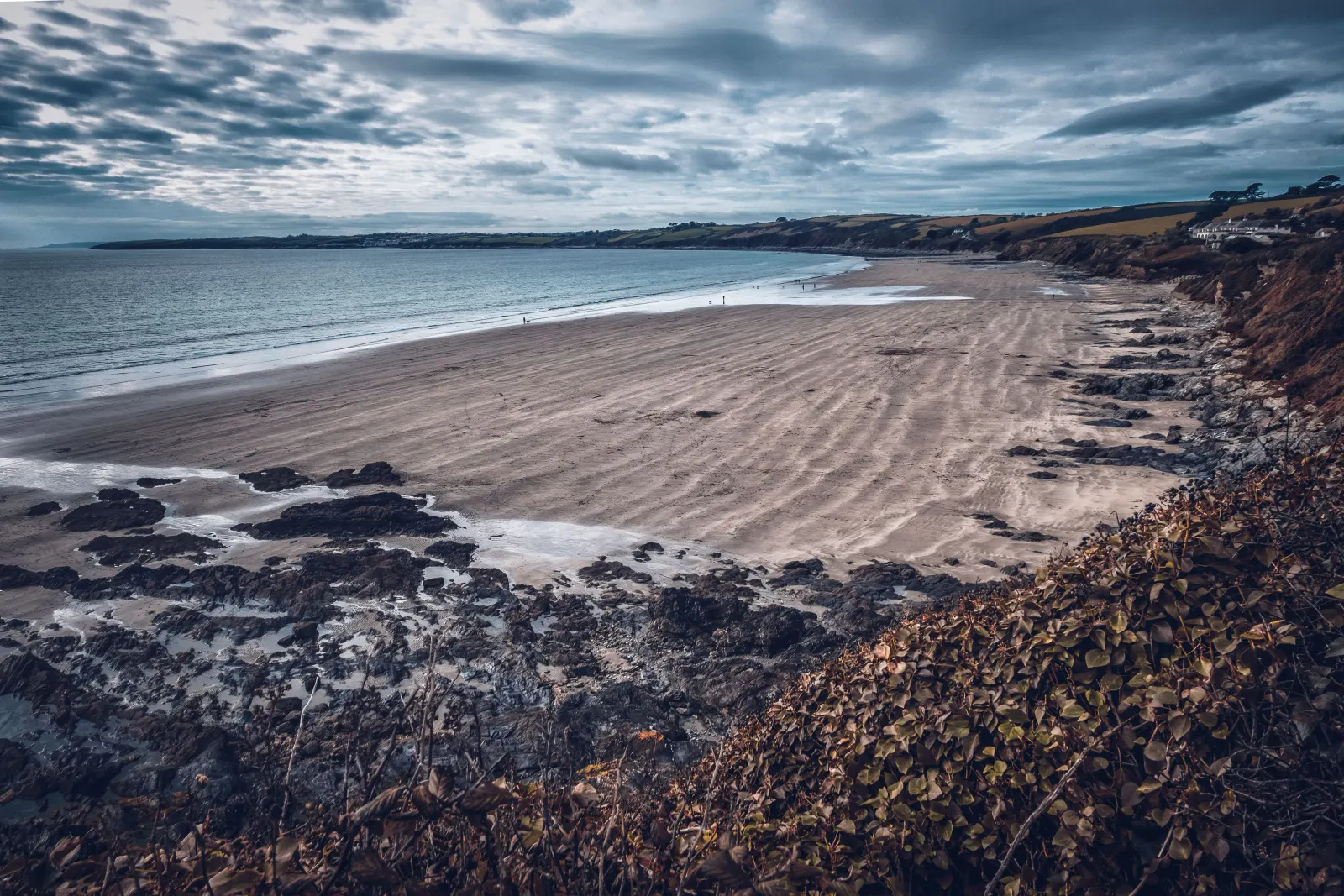
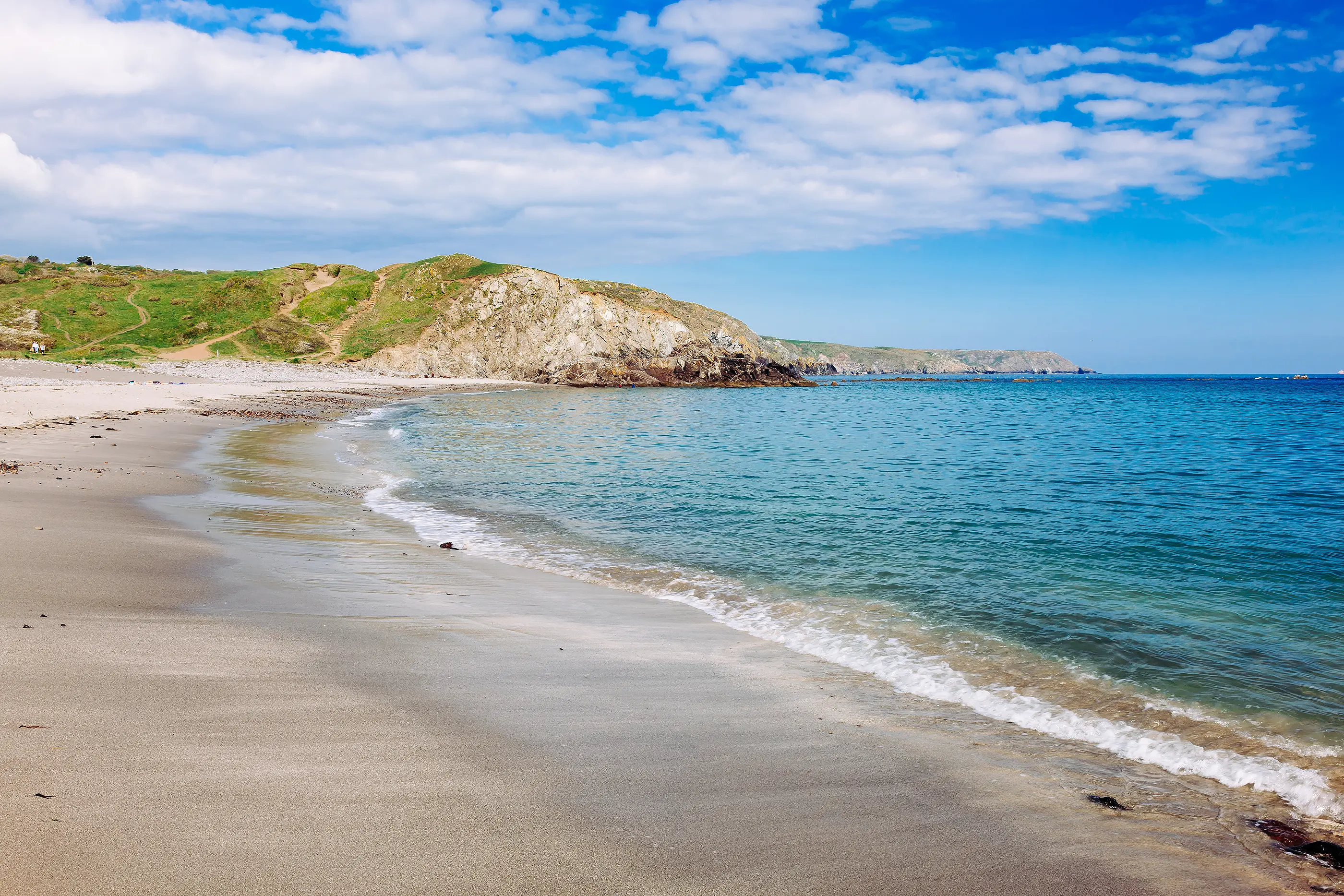
Beaches and watersports: Falmouth Bay is lined by a number of small beaches, which are popular with all types of visitor. The mostly sheltered waters make it a calm place for wild swimming and watersports throughout the year. Castle Beach is known for rockpooling at low tide, Gyllyngvase Beach is popular with swimmers, with facilities to hire kayaks and go paddleboarding. Swanpool Beach is a favourite with young families and Maenporth attracts those looking for a slightly quieter seaside experience.
Subtropical gardens: Immerse yourself in Falmouth’s colourful collection of subtropical gardens to experience the nourishment of nature. The area’s warm microclimate supports a fascinating range of international species of plants and flowers to flourish. Backing Gyllyngvase Beach is Queen Mary Gardens. Nearby you will also discover Gyllyngdune and Rose Foxhill Gardens. Be sure to visit Trebah Garden, a few miles outside of the town, where you can explore 26 acres of rare and exotic plants leading to a private beach at the bottom of the valley.7
Coastal walks: The South West Coast Path is one of the UK’s most popular walking routes and passes through Falmouth. For an easy stroll, take in the scenery of Falmouth Bay and Pendennis Headland with a mostly flat route along the sea front. Prefer a longer hike? Follow the coastline to Maenporth Beach or the trails along Penryn creek until you reach Flushing and Mylor.
Eat and Drink
Food and drink is a huge part of Falmouth’s offering, with everything from Michelin star restaurants to an excellent selection of award-winning cafés, pubs and breweries.
Cafés and Coffee Houses
Dark Pony Coffee: For a quality cup of coffee, head to Dark Pony on Falmouth moor. True coffee connoisseurs, they source, roast, package and serve a fantastic selection of high-quality blends. They also work with green importers and have direct links with producers where they can, meaning that great care goes into the supply and quality control process. The café itself is light and airy, with surf boards and hand painted murals on the walls, making it a trendy spot for taking some time out in between exploring.8
The Pier Café: Indulge yourself on impressive handmade bakes, excellent fry ups and occasional themed evenings, in this traditional-style café. Sitting in prime position on Falmouth’s Prince of Wales Pier, there is an emphasis on fresh produce and daily baked cakes and scones. Choose from the pleasant indoor seating area or head outside to enjoy views over the harbour.9
Pubs
The Chainlocker: Step into The Chainlocker, where salty sea stories echo from walls adorned with weathered nautical relics. Overlooking Custom House Quay, watch boats bobbing in the background from the extensive outdoor seating area, or in winter huddle up next to a roaring fire. Food includes pub classics and some excellent seafood dishes, or head upstairs to the restaurant for a more refined setting.10
Beerwolf Books Freehouse: A reflection of the town’s creative strand, this eclectic pub in the centre of town includes bookshelves and a book shop. Use the pinball machine, borrow one of their board games or find yourself a cosy corner to while away the time with your nose dusting the pages of a good read. Beerwolf also has an exciting selection of local brews, making it a popular stop off for true fans of beer. Bring your own food and settle in for a few hours to enjoy the warm and welcoming atmosphere.11
Breweries and Distilleries
Verdant Brewing Co. Taproom: A short drive from Falmouth town centre, Verdant has been making waves on the Cornish brewing scene. Specialising in pale ales and IPAs they offer 16 draught taps, 4 cask lines and a range of bottles and cans to take away. Next door to the brewery is their taproom, where you can sip on fresh, delicious beverages and feast on woodfired Neopolitan pizzas. It is family friendly and dog friendly, plus they host evening events with DJs, quiz nights and live music.12
Lacuna: With a focus on responsible and sustainably crafted brews, Lacuna are making steps to becoming a carbon neutral brewery. They are new to the scene and their offering includes a high-quality take on three classics – lager, pale ale and an IPA. Spring 2025 they are set to open a taproom, and it is expected to be a big hit.13
Farm Shops
Bailey’s Country Stores: Bailey’s offer a tantalising selection of goodies supplied by local growers and makers, a stone’s throw away from Falmouth. A family-run farm shop, expect locally reared meat, local fruit and veg and a range of artisan products including jams, chutneys and cheeses. Plus, pet essentials and a small collection of clothes and gardening tools. Grab a bite to eat at their on-site kitchen, which serves up freshly baked snacks, alongside homemade sausage rolls, soups and sandwiches.14
Argal Farm Shop: Brimming with Cornish treats, Argal Farm Shop sits amidst the backcountry lanes just a few miles from Falmouth. Shop there for your essentials including locally grown fruit and veg, cheeses, homemade cakes and Cornish pasties. Or, treat yourself to their range of organic skincare and fresh flowers.15
Places to Stay in Falmouth
Expedia.com:
Falmouth has a broad selection of hotels rooms and bed & breakfasts, most of which can be found on Expedia.com. Prices range from £60 for a room in a pub to £600 for a three-bedroom house overlooking a golf course. Check availability and best prices.
Best Value Hotels:
Searching for comfort at a reasonable price? Falmouth has a strong selection of well-rated mid-range hotels, perfectly placed for exploring its beaches, harbour, and lively town centre. Check latest deals & availability.
Boutique & Character Stays:
For something with a bit more personality, Falmouth offers a mix of boutique hotels, stylish guesthouses, and characterful stays near the waterfront. Check latest deals & availability.
Dog-Friendly Places to Stay:
Bringing your dog along? Plenty of Falmouth stays are pet-friendly, with easy access to coastal paths, nearby beaches, and scenic countryside walks. Check latest deals & availability.
Self-Catering & Cottages:
Want more space and flexibility? Falmouth’s self-catering options include harbour-view apartments, cosy cottages, and peaceful lodges in and around the town. Check latest deals & availability.
Featured Falmouth Hotels & Accommodation
The Greenbank Hotel:
Offering a pleasing blend of modernity and comfort, the Greenbank is one of Falmouth’s most famous hotels. Did you know, it is the place where Kenneth Grahame wrote the letters which later formed the famous children’s books Wind in the Willows? With views over the harbour and plush rooms, you’ll also enjoy a highly regarded on-site restaurant. Beneath the hotel is one of Falmouth’s most popular pubs and best places in the town for a Sunday roast – the Working Boat. Check availability and best prices.
The Sandy Duck:
For a boutique stay just five minutes walk from Gyllyngvase Beach, the Sandy Duck is an award-winning modern bed & breakfast. They keep things simple, with a focus on quality – promising a comfortable, quiet and relaxing stay evoking the sense of a home away from home. Their breakfasts are standout with a focus on local produce being cooked from scratch. Everything here is about attention to detail.
History of Falmouth
Falmouth has a long and colourful past, which has gained it international repute in the history books.
Early Settlements
Falmouth’s deep natural harbour – the third deepest natural harbour in the world and the deepest in Europe – gave it the perfect topography to become a major port.16 Its easy sea access to both the English Channel and the Atlantic Ocean further cemented its destiny. However, little is known about the area prior to the Medieval Era.
Medieval Foundations
Originally a small hamlet comprising of a smattering of fisherman’s cottages, Falmouth’s first known name was ‘Smithwick’. Later it was renamed to ‘Pennycomequick’ which translates in Celtic Cornish as “head of the creek”. By the 13th century it was overshadowed by the neighbouring town of Penryn, which was a well-established market town. At this time, the name Falmouth was already in use, however it referred to the bay rather than the town itself.17
Tudor and Stuart Era
- Pendennis Castle was built in the 1540s to defend the entryway to Falmouth’s Carrick Roads from potential attack. During the 16th century, after breaking free from the Roman Empire, King Henry VIII build a series of defensive fortresses along the English coastline to stave off foreign invasion. Pendennis Castle’s sister fortress was built on the other side of the river in St Mawes. However, it wasn’t until the English Civil War that the castles saw any action.18
- Sir Walter Raleigh noticed the potential of the area in becoming a port thanks to its geography. In 1598, the Killigrew Family who had been living in Arwenack Manor, hosted Sir Walter Raleigh, who was surveying the defensive competence of the castle.19 He discussed the expansion of Falmouth with Sir John Killigrew. The seed of the town’s future was planted.
- Shortly after 1613, Sir John Killigrew created the town of Falmouth – eradicating the older name of Smithwick. Soon, alehouses began to spring up and by the mid-century it was already a popular trading post with seafarers stopping off for rest and refreshment.20 Did you know, the Chainlocker pub next to the quay was one of these original establishments?
- By 1661, despite opposition from the towns of Penryn, Helston and Truro, Falmouth was granted royal charter from King Charles II. Part of the agreement was that Killigrew would build a church in the town dedicated to King Charles I, who was executed in 1649 as a result of the English Civil War (1642 – 1646).19 Pendennis had been one of the last Royalist strongholds in the war, enduring a five-month siege and proving the area’s loyalty to the Royal family.21
- In 1688 Falmouth was made the Royal Mail Packet Station. It was the only port in the country which mail came into and out of, with packet ships transporting mail across the British Empire. It held this role for over 160 years and as a result the town flourished.
Georgian and Industrial Expansion
During the Georgian Era, Falmouth expanded significantly and many of the town’s key landmarks were built.
- In addition to the church originally built by Killigrew, a number of grand buildings began to appear. Large Georgian houses were developed near the town quay, which were home to prosperous local families who were either merchants, packet ship captains or had made their fortunes from the Cornish mining industry. Today, Bank House and Grove Hill House are still standing and provide accommodation for the town’s visitors.
- Marlborough House was built in 1810 near the beach of Swanpool by packet ship captain John Bull. Named after Commander Bull’s ship the Duke of Marlborough, Marlborough House remains one of the most well-known buildings in Falmouth and today you can still see a ship carved into its facade.19
Victorian and Edwardian Changes
As the world continued to modernise, the building of Falmouth Docks was commissioned and they opened in 1960. This was crucial to preventing the decline of the town’s wealth following the end of the packet ship era. Today, the docks remain an important employer – both for those working in ship repairs and more recently the superyacht builders at Pendennis Shipyard.22
The 19th century also saw Falmouth connected to the Cornwall railway, which encouraged an influx of tourists and the development of the seaside town as resort.23 This led to the buildout of Falmouth sea front on the town’s southern side and the creation of the Royal Duchy Hotel in 1893.26 Other developments included the creation of Falmouth moor to provide a central inland hub.24 Plus the opening of Gyllyngdune Gardens and the Princess Pavilion, home to a bandstand where summer concerts take place.25
World Wars and 20th Century
During the First World War (1914 – 1918) Falmouth was a Defended Port and command centre of coastal artillery defences in west Cornwall.21 As many as 14,000 troops were stationed in the area. Hundreds of merchant ships were sunk off the coast of Cornwall by German U-boats. The British naval response was the introduction of ‘decoy’ merchant ships which were armed and lured U-boats to the surface so they could be destroyed.26
In the Second World War (1939 – 1945), Falmouth saw more action. Once again it was an important naval base and the docks were used to convoy casualties. An anti-submarine net was laid across the entrance to the Carrick Roads to protect the harbour from enemies. In 1944 the town was bombed 12 times, leading to the death of 31 people.19
Did you know Falmouth played an important role in the D-Day landings? Throughout 1944 preparations were made across the town and nearby Helford River to launch amphibious ships loaded with soldiers. 27,000 American soldiers were stationed in Falmouth, mostly at the Beacon in a makeshift army camp and the Carrick Roads was filled with boats practicing for the journey and invasion in France.27
Modern Developments
After the war, throughout the 1950s and beyond a number of industrial and housing projects have been developed throughout Falmouth.
Industrial
Tregoniggie Industrial Estate: Built in the 1970s as part of a larger redevelopment project by Falmouth Borough Council, Tregoniggie Industrial Estate on Bickland Water Road is the largest industrial estate in Falmouth. It is home to 47 businesses.28
Ponsharden Industrial Estate: Just off Falmouth Road, Ponsharden is home to several business units and has interested a number of investors for development in recent years, but there are no current plans to expand it.
Falmouth Business Park: In 2008, Falmouth Business Park opened on Bickland Water Road as a base for 10 business units.32
Church View Business Park: In 2020 Church View Business Park was opened following the award of a £3.38 million funding grant through the European Regional Development Fund as part of the Cornwall and Isles of Scilly Growth Programme. A number of businesses are now based there across 17 units.29
Housing
A multitude of housing projects have taken place across Falmouth since the 1960s. Amongst the largest and most recent include the developments of Eve Parc, Goldenbank and Swanvale.
Key Buildings in Falmouth
History comes alive in Falmouth through its many fascinating landmarks and buildings:
- Arwenack House – The oldest building in Falmouth, built in 1385 and occupied for 16 generations by the town’s founders, the Killigrew Family. Once thought to be the most impressive house in the country, it can be found on Grove Place.34
- Pendennis Castle – One of England’s finest surviving coastal fortresses, built by King Henry VIII in the 1540’s, Pendennis has been standing guard over the Carrick Roads for almost 500 years. It played a key role in the English Civil War and was a key lookout post in WWI and WWII.21
- Church of King Charles the Martyr – Standing at the heart of the town since 1665, the building of this church was part of the agreement to provide Falmouth with a town charter by King Charles II. It pays homage to King Charles I and is evidence of Falmouth’s loyalty to the crown during the English Civil War.19
- National Maritime Museum Cornwall – One of Falmouth’s more modern landmarks, the National Maritime Museum’s current building was completed in 2003. It was clad in oak in recognition of the town’s shipbuilding and seafaring past and built on a former shipyard. Today it has five floors of exhibitions which educate visitors on how ties to the ocean have shaped history and people.30
Famous People from Falmouth
A number of famous faces are from Falmouth. Here are the most notable:
- Robert Were Fox the Younger (1789 – 1887): A geologist and mine owner, Robert Were Fox the Younger is credited with discovering the temperature of the earth increased with depth. He also invented a compass which accounts for ‘magnetic dip’ which led to their improvement, particularly at the north and south poles. He founded the Royal Cornwall Polytechnic Society in Falmouth with his daughters in 1833.31
Education in Falmouth
Schools in Falmouth provide a place of education for children all the way from primary through Further Education.
Primary Education
Falmouth Primary Academy: Located near the centre of Falmouth on Jubilee Road, Falmouth Primary Academy is a school for children aged from 4 to 11. They have a core focus on literacy and numeracy alongside other subjects and extra-curricular activities, with capacity for 420 pupils.40
St Francis C of E Primary School: Based on Longfield, St Francis C of E Primary School provides up to 420 students between the age of 4 and 11 with primary education. Emphasis is on core Christian values of Courage, Peace, Thankfulness, Trust, Friendship and Hope, alongside an enriching range of outdoor experiences and core subjects.41
Marlborough School: Known for their creative and innovative approach to primary education, Marlborough School uses the outdoor environment to support learnings from the core curriculum. Based on Ferndale Road they have capacity for 210 pupils aged 4 to 11.35
St Mary’s Catholic Primary School: Rooted in our Gospel values and virtues St Mary’s Catholic Primary School integrates the requirements of the 2014 National Curriculum alongside Catholic Social Teachings. They support up to 218 pupils aged 4 to 11, including those with SEND, EAL and social disadvantages.36
King Charles Church of England Primary School: Part of Kernow Learning Multi Academy Trust, King Charles offers 420 places to children between the age of 4 and 11. Christian values of Friendship, Creativity, Aspiration, Teamwork and Achievement are at the heart of the school’s teachings alongside the core syllabus.37
Secondary Education
Falmouth School: A coeducational secondary school and sixth form with academy status, Falmouth School provisions for up to 1,344 pupils between age 11 and 18. Their curriculum is built on three key pillars: Knowledge, Sequencing, and Application of Knowledge to prepare pupils for later life.38
Demographics of Falmouth
The UK 2021 Census records Falmouth’s population as 25,729.39 This shows a population increase of 18% from 21,797 in 2011.40 On average the town’s population has grown by 1.5% per year.
The 2021 Census shows that Falmouth’s ethnic composition is largely white at 95% (24,448), with small number of the population mixed/ multiple ethnicity (518), Asian (325) and Black (126).39
59.5% of the population are between the age of 20 and 64 (15,316). 19.23% are under 20 years of age (4,949) and 21.3% are over 65 (5,469).
51.3% of Falmouth’s population identify as individuals with no religion (13,197). 39% are Christian (10,031) and 2.2% of the population belong to other religions (572).39
Crime in Falmouth
In 2023, Falmouth’s overall crime rate was 36 crimes per 1,000 people. This is the same as Cornwall’s overall crime rate. As of 2025 Falmouth’s crime rate is 46% lower than the South West average and 59% lower then England, Wales & Northern Ireland as a whole.
Violence and sexual offences are the most common crimes in Falmouth, with 323 incidents in 2023 [64].
Transport in Falmouth
Roads: Falmouth is connected to the A39 which leads to Truro and the A30.
Buses: Regular bus services run from Falmouth to Penryn, Truro, Helston, Camborne and Redruth. You can also catch the bus to Flushing and Mylor, though they operate on a more reduced schedule.
Rail Links: Falmouth has three stops (Penmere, Falmouth Town and Falmouth Docks) on the Maritime Line which transport ticket holders to Truro within 20 minutes. From here there are onwards services to a whole host of destinations as Truro is connected to the mainline between Penzance and London Paddington.
Is Falmouth worth visiting?
Falmouth is worth visiting at any time of year. A working town with a student population, Falmouth has an exciting range of events on offer alongside the town’s visitor attractions and natural scenery. With a number of award-winning museums including the National Maritime Museum Cornwall and Falmouth Art Gallery, plus Pendennis Castle, there are plenty of indoor family-friendly activities.
When the weather is warmer, the town’s beaches of Castle, Gyllyngvase, Swanpool and Maenporth are a delightful place to enjoy the sun or a range of watersports activities like swimming, kayaking and paddleboarding. The town is also connected to the South West Coast Path, which offers extensive views over Falmouth Bay. For food, drink, and independent shops, the high street is the place to be, and most businesses are open year-round.
Because the town is larger than some of Cornwall’s other famous locations, even in the visitor season it doesn’t feel overcrowded.
Article Sources
- English Heritage (no date). Pendennis Castle [online]. Available at: https://www.english-heritage.org.uk/visit/places/pendennis-castle English Heritage[↩]
- National Maritime Museum Cornwall (no date). Falmouth Harbour’s Monument and Memorials – Part 2 [online]. Available at: https://nmmc.co.uk/2023/12/falmouth-harbours-monument-and-memorials-part-2 National Maritime Museum Cornwall[↩]
- Falmouth Town Council (no date). Falmouth Art Gallery [online]. Available at: https://www.falmouthtowncouncil.co.uk/town-services/falmouth-ag Falmouth Town Council[↩]
- National Maritime Museum Cornwall (no date). Home page [online]. Available at: https://www.rmg.co.uk/national-maritime-museum-cornwall National Maritime Museum Cornwall[↩]
- Falmouth.co.uk (no date). Kimberly Park [online]. Available at: https://www.falmouth.co.uk/see-and-do/parks/kimberley-park/ Falmouth.co.uk[↩]
- Raze the Roof (no date). Home page [online]. Available at: https://razetheroof.co.uk Raze the Roof[↩]
- Trebah Garden (no date). Home page [online]. Available at: https://www.trebahgarden.co.uk Trebah Garden[↩]
- Dark Pony Coffee (no date). About us [online]. Available at: https://darkponycoffee.com/pages/about-us Dark Pony Cafe[↩]
- Falmouth.co.uk (no date). Pier Café [online]. Available at: https://www.falmouth.co.uk/eatanddrink/the-pier-cafe/ Falmouth.co.uk[↩]
- Chainlocker Falmouth (no date). Home [online]. Available at: https://chainlockerfalmouth.co.uk The Chainlocker[↩]
- CAMRA (no date). Beerwolf Books, Falmouth [online]. Available at: https://camra.org.uk/pubs/beerwolf-books-falmouth-139407 CAMRA[↩]
- Verdant Brewing Co. (no date). Home page [online]. Available at: https://verdantbrewing.co/?srsltid=AfmBOorVFvmmWcmTQhRIjm0puVo6z90HZ4BT0T79sdHVZ5Gu1vPEAZlr Verdant Brewing[↩]
- Lacuna Brewing (no date). Home page [online]. Available at: https://www.lacunabrewing.com Lacuna Brewing[↩]
- Baileys Country Store (no date). Home page [online]. Available at: https://baileyscountrystore.co.uk Baileys Country Store[↩]
- Facebook (no date). Argal Farm Shop [online]. Available at: https://www.facebook.com/p/Argal-Farm-Shop-100063635379930/?locale=en_GB Facebook – Argal Farm Shop[↩]
- Falmouth Harbour (no date). A brief history of Falmouth [online]. Available at: https://www.falmouthharbour.co.uk/wp-content/uploads/2021/08/Falmouth-history-print-version-1.pdf Falmouth Harbour[↩]
- National Maritime Museum Cornwall (no date). A royal seal of approval: 350 years of Falmouth [online]. Available at: https://nmmc.co.uk/object/cornish_maritime_collection/a-royal-seal-of-approval-350-years-of-falmouth/ National Maritime Museum Cornwall[↩]
- English Heritage (no date). History of Pendennis Castle [online]. Available at: https://www.english-heritage.org.uk/visit/places/pendennis-castle/history-and-stories/history/ English Heritage[↩]
- Falmouth Harbour (no date). A brief history of Falmouth [online]. Available at: https://www.falmouthharbour.co.uk/wp-content/uploads/2021/08/Falmouth-history-print-version-1.pdf Falmouth Harbour[↩]
- National Maritime Museum Cornwall (no date). A royal seal of approval: 350 years of Falmouth [online]. Available at: https://nmmc.co.uk/object/cornish_maritime_collection/a-royal-seal-of-approval-350-years-of-falmouth National Maritime Museum Cornwall[↩]
- English Heritage (no date). History of Pendennis Castle [online]. Available at: https://www.english-heritage.org.uk/visit/places/pendennis-castle/history-and-stories/history/ English Heritage[↩]
- The Jacobs Ladder Inn (no date). Home page [online]. Available at: https://thejacobsladderinn.co.uk The Jacobs Ladder Inn[↩]
- Mitchley, Mark (2020). Falmouth in 50 buildings. Amberley Publishing[↩]
- National Maritime Museum Cornwall (no date). A century of Falmouth Docks [online]. Available at: https://nmmc.co.uk/object/pictures/a-century-of-falmouth-docks/#:~:text=Falmouth%20docks%20have%20a%20long,centre%20(left%20to%20right) National Maritime Museum Cornwall[↩]
- Cornwall Railway Society (no date). Falmouth branch [online]. Available at: https://www.cornwallrailwaysociety.org.uk/falmouth-branch.html Cornwall Railway Society[↩]
- Royal Duchy Hotel (no date). History [online]. Available at: https://royalduchy.co.uk/about-us/history Royal Duchy Hotel[↩]
- Falmouth.co.uk (no date). The Moor [online]. Available at: https://www.falmouth.co.uk/discover-falmouth/falmouth-areas/the-moor/ Falmouth.co.uk[↩]
- Falmouth Town Council (no date). Gyllyngdune Gardens and our history [online]. Available at: https://www.falmouthtowncouncil.co.uk/princesspavilion/gyllyngdune-gardens Falmouth Town Council[↩]
- English Heritage (no date). Fortress Falmouth and the First World War [online]. Available at: https://www.english-heritage.org.uk/visit/places/pendennis-castle/things-to-do/fortress-falmouth-and-the-first-world-war/#:~:text=Falmouth’s%20location%20at%20the%20south,British%20developed%20the%20convoy%20system English Heritage[↩]
- Falmouth.co.uk (no date). D-Day Landings [online]. Available at: https://www.falmouth.co.uk/d-day-landings/ Falmouth.co.uk[↩]
- Cornwall Council (2021). Tregoniggie Woodland Management Plan Maps and Appendices [online]. Available at: https://ehq-production-europe.s3.eu-west-1.amazonaws.com/fa8b3c49ccd8a096ea8b42e7ae54bdb71f026daf/original/1645442387/c7586c882430c4b5f8591f3fada220b9_Tregoniggie_FC_Woodland_Management_Plan_Maps___Appendices.pdf?X-Amz-Algorithm=AWS4-HMAC-SHA256&X-Amz-Credential=AKIA4KKNQAKIJHZMYNPA%2F20250716%2Feu-west-1%2Fs3%2Faws4_request&X-Amz-Date=20250716T134735Z&X-Amz-Expires=300&X-Amz-SignedHeaders=host&X-Amz-Signature=7fcf6961914bded7039bbfa18ef3a477f89a694bfeca692b5689adf23e4db9d9 Cornwall Council[↩]
- Falmouth Packet (2008). New business park affected by financial squeeze [online]. Available: https://www.falmouthpacket.co.uk/news/cornwall_news/3876909.new-falmouth-business-park-affected-financial-squeeze/ Falmouth Packet[↩]
- Cornwall Isles of Scilly Growth Programme (no date). Double celebration as new £7.4 million industrial park for Falmouth opens its doors [online]. Available at: https://www.cornwallislesofscillygrowthprogramme.org.uk/double-celebration-as-new-7-4-million-industrial-park-for-falmouth-opens-its-doors/ Cornwall Isles of Scilly Growth Programme[↩]
- Falmouth.co.uk (no date). Arwenack House [online]. Available at: https://www.falmouth.co.uk/discover-falmouth/history/arwenack-house/#:~:text=Arwenack%20House%20is%20the%20oldest,costly%20house%20in%20the%20country’ Falmouth.co.uk[↩]
- National Maritime Museum Cornwall (no date). 20 years since museum construction [online]. Available at: https://nmmc.co.uk/2019/09/6849/#:~:text=It’s%20hard%20to%20believe%20that,enjoy%20our%20space%20ever%20since National Maritime Museum Cornwall[↩]
- Falmouth Packet (2020). Blue plaque at Falmouth Woodlane Campus for Robert Were Fox [online]. Available at: https://www.falmouthpacket.co.uk/news/18244118.blue-plaque-falmouth-woodlane-campus-robert-fox/ Falmouth Packet[↩]
- Tate Gallery (no date). Henry Scott Tuke [online]. Available at: https://www.tate.org.uk/art/artists/henry-scott-tuke-555 Tate Gallery[↩]
- BBC News (no date). Wycliffe authors web of interest [online]. Available at: http://news.bbc.co.uk/1/hi/england/cornwall/4515891.stm BBC News[↩]
- Anita Land (no date). Paul Martin [online]. Available at: https://www.anitaland.com/clients.php?i=2&id=33#:~:text=Paul%20was%20educated%20at%20Falmouth,show%20CURIOSITY%20was%20recently%20broadcast.&text=Paul%20lives%20in%20Wiltshire%20with,BBC1%20daytime%20series%20COUNTRYFILE%20DIARIES Anita Land Ltd[↩]
- Falmouth Primary Academy (no date). Home page [online]. Available at: https://www.falmouth.kernowlearning.co.uk/ Falmouth Primary Academy[↩]
- St Francis C of E Primary School (no date). Home page [online]. Available at: https://www.stfrancis.kernowlearning.co.uk St Francis C of E Primary School
- Marlborough School (no date). A word of welcome [online]. Available at: http://www.marlborough.cornwall.sch.uk/website/our_school/7818 Marlborough School
- St Mary’s Catholic Primary School (no date). Our curriculum [online]. Available at: https://www.st-marys-fal.cornwall.sch.uk/our_curriculum St Mary’s Catholic Primary School
- King Charles Church of England Primary School (no date). Home page [online]. Available at: https://www.kingcharles.kernowlearning.co.uk King Charles Church of England Primary School
- Falmouth School (no date). Our curriculum [online]. Available at: https://www.falmouthschool.net/web/our_curriculum/678146 Falmouth School
- Office for National Statistics (2021). 2021 Census Profile for areas in England and Wales [online]. Available at: https://www.nomisweb.co.uk/sources/census_2021/report?compare=E06000052 Office for National Statistics
- Office for National Statistics (2011). 2011 Census Report for areas in England and Wales [online]. Available at: https://www.nomisweb.co.uk/sources/census_2011_ks/report?compare=E04011433 Office for National Statistics
Frequently Asked Questions
Falmouth is a coastal town in west Cornwall, England, located on the south coast at the mouth of the River Fal. It’s known for its deep-water harbour, maritime history, and proximity to the Cornish Riviera.
For sun-seekers, the best time to visit Falmouth, Cornwall is during late spring to early autumn (May to September). This period offers warmer weather, longer daylight, lively festivals, and ideal conditions for beaches and outdoor activities. Falmouth is a year round town, with plenty to offer visitors throughout the seasons.
Falmouth is a coastal town, so many beaches are within walking distance. Gyllyngvase Beach is about 0.5 miles from the town centre (10-minute walk), while Maenporth Beach is roughly 3 miles away by car (10–15 minutes), offering easy access to Cornwall’s south coast beaches.
Falmouth, Cornwall is twinned with Douarnenez in Brittany, France. The partnership celebrates maritime history, culture, and exchange programs between the two coastal towns.
Falmouth, Cornwall is famous for its deep-water harbour, maritime history, and historic docks. It’s also known for Falmouth University, sailing and watersports, coastal walks, and vibrant festivals, making it a key destination on the Cornish coast.
Falmouth, Cornwall has a population of around 23,000 people. The town combines a bustling harbour, university presence, and tourist attractions, making it one of the largest towns on Cornwall’s south coast.
You can get to Falmouth, Cornwall by car, train, or bus. By car, take the A39 or A394 from nearby towns. By train, Falmouth is served by Falmouth Docks and Falmouth Town stations via the Maritime Line from Truro. Local buses connect Falmouth to Truro, Redruth, and surrounding villages.
In Falmouth, Cornwall, top things to do include visiting Pendennis Castle, exploring National Maritime Museum Cornwall, strolling along Gyllyngvase and Swanpool beaches, enjoying harbour walks, and checking out local shops, cafés, and art galleries. Outdoor enthusiasts can also try sailing, kayaking, and coastal hikes.
Yes — Falmouth, Cornwall is a popular place to live, offering a vibrant harbour, coastal scenery, beaches, and a lively town centre. It’s well-suited for families, professionals, and retirees, with good schools, outdoor activities, and cultural events, making it one of Cornwall’s most desirable towns.
Falmouth Week, Cornwall’s famous annual sailing and festival event, usually takes place in late July or early August. The week features regattas, live music, food, and family-friendly activities, attracting visitors from across the UK.
Yes — Falmouth, Cornwall is reasonably accessible, with paved harbour paths, wheelchair-friendly beaches like Gyllyngvase, and accessible public transport. Many shops, cafés, museums, and attractions also provide mobility access, making it suitable for visitors with limited mobility.
Yes — Falmouth, Cornwall is popular for surfing, especially at Gyllyngvase and Swanpool beaches. Waves suit beginners and intermediate surfers, and local surf schools offer lessons and equipment hire, making it a top spot for surfing in Cornwall.
Written by
Lydia Paleschi is a Falmouth local and freelance writer whose family have been based in Cornwall for many generations. However, it wasn’t until she spent several years living in Cardiff and London that Lydia realised that living next to the ocean is where she belongs. After moving back to Falmouth and launching her freelance career in order to make the most of a Cornish lifestyle determined by weather and tides, Lydia now spends most of her free time wild swimming and sailing in Cornish waters. And despite being lucky to travel far and wide – sailing as far away as Central America – it is the Cornish coastline that Lydia finds provides the greatest nourishment to her soul. More recently, Lydia has been exploring Cornwall in her van, which has only made her fall in love with her home county more. Lydia’s book A Guide to Wild Swimming in Cornwall aims to help others share in her love of the Cornish coastline and the wellbeing benefits that can be enjoyed by spending time there.
13 articles published on Cornwall.co.uk
Read more from Lydia Paleschi →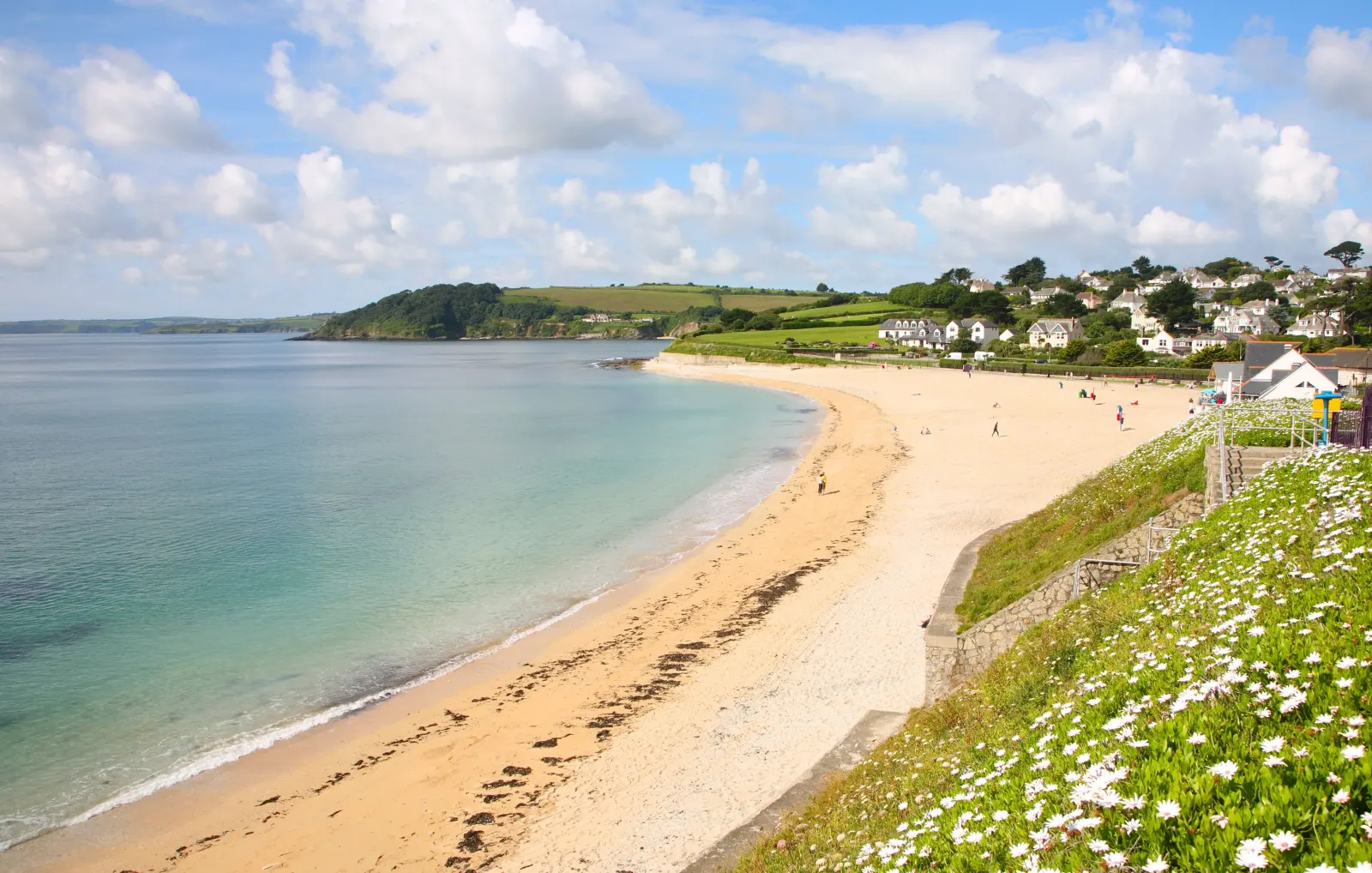
Comments
No comments yet — be the first to share your thoughts.
Leave a comment
Your email won’t be published. Comments are checked before they appear.