

42 articles
Perched three miles from the Devon-Cornwall border lies the historic town of Launceston, which was once the ancient capital of Cornwall. Today, it still boasts its imposing Norman castle, the impressive St. Mary Magdalene Church and scores of activities, independently-owned shops, pubs and cafes. This market town is well worth a nose around!
Even if Truro later stole “the crown” and has since remained the county’s capital, Launceston will always be “the gateway to Cornwall”. Pronounced “Lawns-ton”, the town has been known historically as Dunheved and Lanstephen. Today, is often fondly referred to as Lanson by locals. The town is rich in history, architecture and exudes oodles of Cornish charm. Did you know Launceston was the only town to imprison a future king? Read on as you might be surprised with what you will discover!
Launceston images
Things to See and Do in Launceston
Launceston is a historic gem. It is furnished with ancient landmarks, surrounded by stunning countryside, and is steeped in Cornish heritage. Even if you would prefer that history remained a mystery, the town is aplomb with must-see attractions and activities to enjoy:
Historical attractions
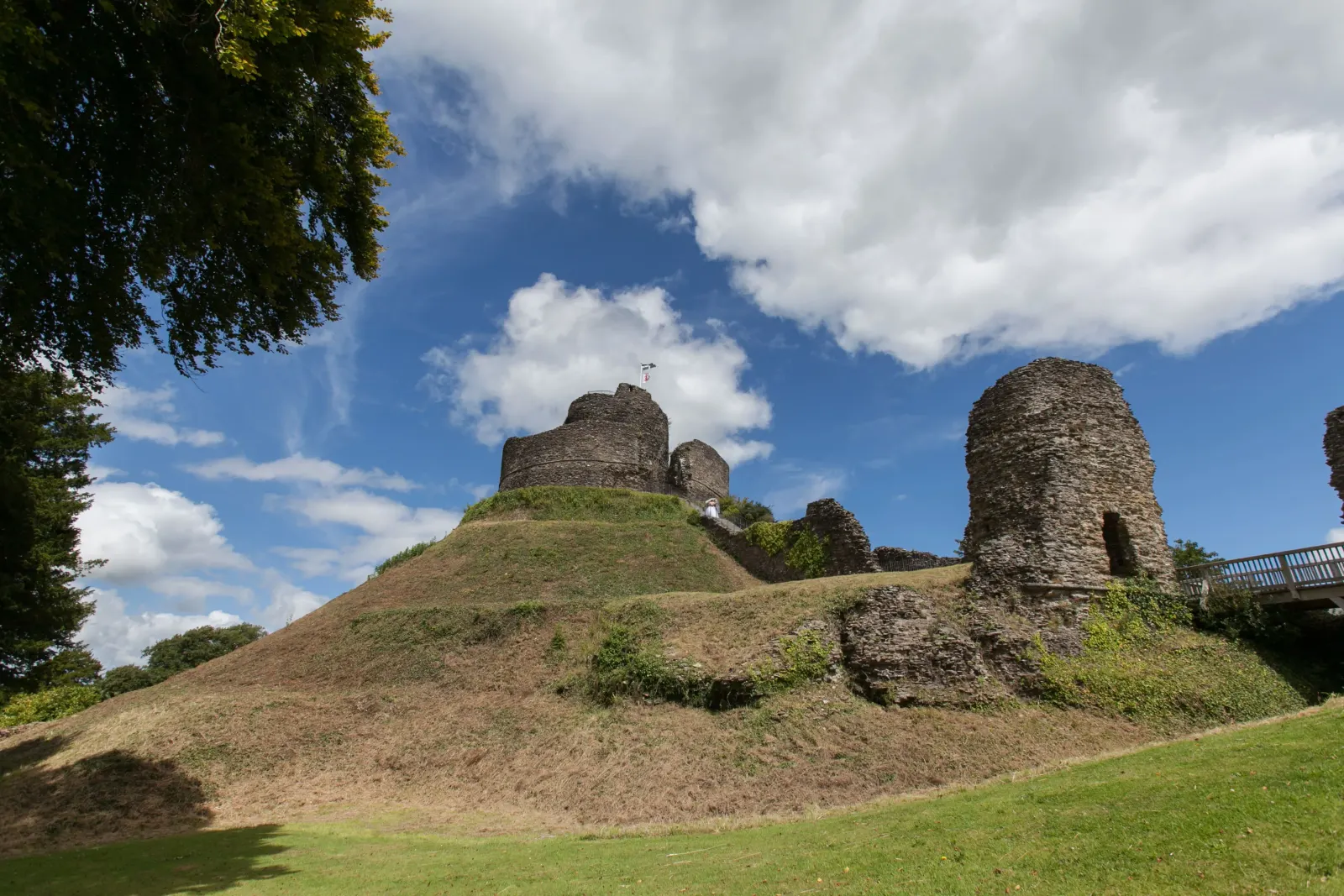
Launceston Castle: A must! Experience a thousand years of power and intrigue by stepping through its ancient gates and taking a stroll through the remains of this Norman fortress. You can climb the old shell keep to the town’s highest point, above the dark dungeons of “Castle Terrible”1 to enjoy the spectacular 360-degree view of Launceston, Dartmoor and surrounding Tamar Valley. Failing that, the grounds make a superb picnic spot! The site is managed by English Heritage and opening times are subject to seasonal variation.
St. Mary Magdalene Church: Visit and marvel at one of the most intricately carved granite exteriors in England.2 Aptly found on Church Street, the exterior of this Grade I listed church dons griffins, plants, saints and the star of the show – Mary Magdalene. In fact, there is an age-old tradition where local folk would throw a stone and if it lodges on her back, a new set of clothes would be provided.3 The tradition continues to this day and St. Mary Magdalene Church is regarded as the town’s main place of worship. It also houses one of the largest medieval bells in Cornwall.4
Launceston Priory: An often overlooked and underrated gem. Visitors can explore the mystical ruins of this once grand and powerful monastery, which flourished for centuries before the King Henry VIII’s Dissolution of the Monasteries (1539).5 Even if many of the buildings were dismantled and their stones repurposed, the remnants of the medieval cloisters, chapter house, and church are still visible today. It remains a peaceful, off-the-beaten-path historical site adjacent to the River Kensey where you can almost hear echoes of the monks’ chants in the breeze!
Activities
Heritage and Railways
Lawrence House Museum: Nestled in the heart of the town, the Lawrence House Museum is as understated as it is rich in showcasing local history, art, and culture. You can discover Launceston’s captivating past, from the golden days as Cornwall’s capital and immerse yourself in 18th and 19th century living! Local art and memorabilia is also showcased, as is local poet, Charles Causley.6 Children can also be kept entertained by the toy room and model railway. Aptly a Grade II listed Georgian townhouse, (built in 1753), the museum is owned by the National Trust but operated by the Launceston Town Council. Entry is free.
Launceston Steam Railway: A solid option for a family day out. Enjoy the charm and simplicity from a golden, bygone era – hitch a ride on a heritage locomotive! Sit back and enjoy nostalgia and the scenic North Cornwall countryside. From Launceston to Newmills…and back again. Your meticulously restored Victorian carriage will take you on a 2.5 mile journey along the River Kensey.7 Step into the past, explore the workshops and museum, too. You can also indulge in the homemade treats the café and gift shop offer. Check opening times before your visit as it is open at selected times in the holiday season.
Family Activities
Trethorne Leisure Park: With something for all seasons, this family-friendly attraction is packed with activities for all ages. It boasts an indoor play area, crazy golf, dodgems, an animal park, ten-pin bowling, golf, horse riding, a golf course…the list goes on! A restaurant and bar, meanwhile, offers a “safe space” in a more relaxing setting to unwind while everyone else is busy burning off energy.8 Opening times vary depending on the season.
Hidden Valley The Puzzle Park: A “must” for families that seek adventure, mystery, and brain-teasing challenges. The park’s quirky Forbidden Mansion plays host to secret rooms, hidden passages and puzzles to crack. The outdoor puzzle trail allows visitors to embark upon treasure hunts though its garden’s mazes and wooded trails.9 Opening times are seasonal.
Outdoor Activities
Bodmin Moor: Seeking adventure outdoors? Bodmin Moor is 80 square miles of protected wild moorland and prime for exploration. Hike up Rough Tor and enjoy its breath-taking panoramic views or drop-in to renowned Jamaica Inn. Perhaps do both? The moor is also home to mysterious Hurlers Stone Circle,10 only a short drive away from the rugged north coast.
Dartmoor: A local alternative to Bodmin Moor… in Devon! It is renowned for its exposed moorlands and rugged granite tors. Also, it would be remiss not to mention the wild Dartmoor ponies- a hit with children. It is a haven for hikers, cyclists, and nature lovers. If you do visit, be sure to drop-in on Princetown and/or Postbridge for some real ale or an authentic cream tea!
Food and Drink
Cafes and coffee houses
Cowslip Cafe: Located west of Launceston, the Cowslip Café is a stellar option if you enjoy rustic chic. Cowslip is a family-owned organic farm.11 It is a wholesome, soul-soothing destination for food lovers, creatives, and countryside wanderers for a hearty English breakfast, home-cooked lunch or high tea. It also has a farm shop which sells local crafts and goodies. Dogs welcome!
Liberty Coffee: The coolest cup in town? Liberty is a cosy, locally-owned “go-to” destination for real coffee. Tucked away on Southgate Street, a 2-minute walk from St. Mary Magdalene church, they take their beans seriously! You can be sure to have a top-notch coffee infused with uplifting vibes and local charm…all served with a smile! Try their sourdough toasties and fresh pastries. If you are a vegan or gluten-intolerant, you will be in luck. Follow them on Instagram @libertycoffeelaunceston and do check opening times before you visit.
Pubs
Eliot Arms: A stone’s throw away, south-west of Launceston, lies the hallowed Eliot Arms. This is a traditional Cornish pub, turned local institution. If you’re after a real pint, honestly priced pub grub, and a friendly local buzz…drop by! Cosy, welcoming, and brimming with character. Proper job! Do make sure to make a reservation as it gets busy – this once well-kept local secret is out!
The Springer Spaniel: Located in the village of Treburley (on the A388 towards Plymouth), this much-loved countryside pub blends rustic character with fine dining. All dishes are served with locally-sourced ingredients and their Sunday roasts are generously prepared…will no trimmings spared! The wine list is well curated, and you will certainly find great local ales and craft beers on tap too. As the name would suggest – yes – dogs are welcome. Go hungry!
Breweries and Distilleries
English Spirit Distillery at Treguddick: A haven for spirit lovers and those with a taste for the extraordinary and winner of the Silver IWSC Award (2024),12 the Treguddick Distillery offers distillery tours, tasting, and restaurant. You might meet Dr John Walters on your tour, who founded English Spirit in 2011.13 Be warned, after sampling the copious selection of alcoholic and non-alcoholic beverages, including English Toffee Vodka, Limongino and/or Sous Vide Arabica Coffee Liqueur…it is highly likely you will be leaving with a bottle or two. Yes, they have a shop too! Pick up a limited-edition bottle or a one-of-a-kind gift from their collection of handcrafted spirits.
Firebrand Brewing Company: Enjoy Cornish craft beer directly at source for far less than you would further a field. Founded in 2012,14 this family-owned brewery is relatively new to Launceston having moved from Bodmin Moor. Many of their craft beers are named after Cornish beaches – from Helles Beach lager to Summerleaze hazy pale ale. Visit their Taproom for a bite to eat for a sample and their well-stocked shop will ensure you never “go dry”!
Farm shops
Tre, Pol & Pen: Just outside of Launceston on the A388 (towards Plymouth) lies Tre, Pol & Pen. This stylishly curated farm shop and restaurant amalgamates local produce, gifts and delicious dining under one roof. Its location provides a stunning rural backdrop for coffee, lunch, or “Pizza Friday & Saturday”. The kitchen puts a refined twist on “comfort classics” although the traditional Sunday roast…remains traditional!
Strawberry Fields Farm Shop: Another family-run gem that gives the perfect opportunity to stock-up before entering Cornwall. Conveniently placed just before the Cornwall-Devon border, off the A30, its offering is comprehensive and it is known for its fresh, seasonal local produce. This includes their award-winning meats, fruit and veg, Cornish cheeses, and a bakery. They also have a gift shop, ample parking and a restaurant that serves simple food but done well. Their Cornish pasties are also a personal favourite.
Places to Stay in Launceston
Expedia.com:
Fantastic if you seek a variety of locally-owned B&Bs, guesthouses, and self-catering cottages. The platform has a vast, constantly-evolving selection. Local listings often receive high guest ratings. You can filter to display listings according to your preferences. Check availability and best prices.
Best Value Hotels:
Enjoy a great mix of comfort, location, and value with Launceston’s top-rated mid-range hotels—ideal for a relaxed and convenient stay. Check availability and best prices.
Boutique & Character Stays:
Explore distinctive places to stay, from historic inns to cosy countryside retreats rich in local charm. Check availability and best prices.
Dog-Friendly Places to Stay:
Bringing your dog along? Many Launceston stays are pet-friendly, with easy access to outdoor space and scenic walking routes. Check availability and best prices.
Self: Catering & Cottages:
Great for longer stays or extra flexibility, choose from a range of apartments, cottages, and rural lodges. Check availability and best prices.
Featured Launceston Hotels & Accommodation
The Eagle House Hotel:
Set in a magnificent Georgian townhouse, this boutique hotel provides town centre convenience and modern comfort…all underpinned with elegant period charm. Whether on for leisure or visiting on business, the hotel promises warmth, comfort, character…and very reasonable prices! It is also situated a two-minute walk away from Launceston Castle. This convenient, central location makes it the perfect “base” for local adventures or exploration further afield. Check availability and best prices.
Arundell Arms:
Situated four miles away in Lifton, on the Devon-Cornwall border, the Arundell Arms is an historic coaching inn renowned for its exceptional fly fishing and warm hospitality. In addition to upmarket comfort, underpinned by luxurious bedrooms and a two AA Rosette award-winning restaurant and bar,15 guests can enjoy 22 miles of private fishing across several rivers north and south. These include the River Tamar and its tributaries. The hotel also provides EV Supercharges (Tesla) and has an on-site deli which is ideal for gifts and culinary treats. Surrounded by natural beauty in a tranquil, village setting, it is the superior choice for fishing enthusiasts or those simply seeking a peaceful rural escape. Check availability and best prices.
History of Launceston
Early Settlements
Launceston’s hilltop location near the River Tamar on the Devon-Cornwall border has given it the natural historic advantage of being a defensive site. The town’s origins hark back to prehistoric and early medieval periods with archaeological evidence suggesting settlement in the area long before the 1066 Norman Conquest.16
The Saxons established Cornwall’s earliest known mint in Launceston in an era when the town was known as Lan-stefan-ton. The monastery of St Stephan was also well-established and became a local religious hub before 1066.17
After the infamous Norman invasion, Launceston’s regional importance grew. Robert, Count of Mortain (William the Conqueror’s half-brother), erected the motte-and-bailey structure, we now know today as Launceston Castle.18 This greatly increased Launceston’s influence. The town then enjoyed centuries as the capital of Cornwall, a title that would then be awarded to Truro by Queen Victoria.
Medieval Foundations
As the established capital of Cornwall, Launceston was home to the county courts,19 assize sessions, in addition to prominent markets. The town is conspicuous in being the only Cornish town to be fully surrounded by fortified walls, from where it flourished – safe from invaders. The Launceston Priory was founded in the 12th century20 and become a highly revered religious institution. Today, you can still see and feel the medieval footprint of Launceston. Simply take a stroll down the narrow, winding streets adjacent to the Square and experience it for yourself.
Tudor and Stuart Era
Dramatic religious and political changes were ushered in by the Tudor period. King Henry VIII’s Dissolution of the Monasteries in the 1530s led to the abandonment and eventual ruin of Launceston Priory,21 ending centuries of worship at the location. After it fell into a ruinous condition, stones from the site were used for new buildings across the “old town” – many of which can be spotted by a keen eye today.
The Stuart era saw Launceston’s entanglement in the English Civil War (1642–1651).22 The town was very much on the frontline. Standing west of the River Tamar as “the gateway to Cornwall,” it was strategically important for Royalist Cornwall and Parliamentarian Devon.23 Inevitably, the town experienced military action, and was initially held by Royalists which enjoyed staunch Cornish support. However, there were a number of back-and-forth movements between the King’s Royalists and Cromwell’s Parliamentarians.24
Despite the efforts of Sir Ralph Hopton, one of the king’s most loyal commanders in the West Country and the then-refortification of Launceston Castle, the Royalists were defeated.25 The ultimate defeat, however, left behind a reenergised sense of Cornish identity, having stood apart from English politics and this is a theme which periodically re-emerges to this day. It might also explain the enduring rivalry between Cornwall and Devon!26
Georgian and Industrial Expansion
Great transformation between 1714-1830 ushered in changes you can still see strolling around the town today. Lawrence House Museum (built in 1840) is one noteworthy example.27 The style is also demonstrated by many of the town’s 18th century Georgian houses which can be seen on Church Street, exhibiting the more obvious Georgian detail, including sash windows and doorways.
Change was greatly influenced by the Industrial Revolution which gripped the United Kingdom. While tin and copper mining flourished in Cornwall, the neighbouring South Petherwin Tin Mine ensured the town had a share of this booming industry.28
This brought substantial change to Launceston, thanks to regional industry. Tin and copper industries enjoyed rampant growth. Moreover, the construction of the Kensey Valley Viaduct facilitated the railway’s operation and also symbolised the industrial advances of the time.29
Increased rural-urban migration was synonymous with the social changes propelled by the Industrial Revolution throughout the United Kingdom.30 On a local scale, Launceston’s increased prosperity led to a surge in its population as workers swapped rural agricultural life for urban industries. However, this also presented challenges, precipitating a rise in poorer, overcrowded living conditions.31
Victorian and Edwardian Changes
The Victorian and Edwardian era were momentous for the town within which Launceston metamorphosed into a thriving regional centre from its previous status as a small market town.32
The arrival of the railway quickly led to the construction of the Launceston and South Devon Railway.33 This, in turn, vastly improved connectivity and greatly boosted the then-local industries, which included textiles, tanning, and pottery.34
1887 marked the year of completion for Launceston Town Hall. Designed by Otho B. Peter and G. Hine,35 its Gothic architecture reflects love for ornate design along with a sense of civic pride at the time.
World Wars and 20th Century
The World Wars caused significant local social and economic upheaval as it did for the nation. Many men were conscripted to the front line after joining the armed forces whereas women would assume roles traditionally worked by men. The town inevitably mourned heavy losses and the War Memorial in the Town Square pays tribute to those who paid the ultimate sacrifice.36
During World War II, the town housed evacuees from urban areas and hosted military personnel. Air raid precautions were put in place although the town was spared any major Luftwaffe bombings. Daily life for residents saw rationing and the national ‘Dig for Victory’ campaign encouraged frugality and self-sufficiency, where households would grow their own food to reduce the impact of food shortages.37
After the wars, modernisation gradually took place. The local traditional industries (agriculture and mining) experienced decline. The number of houses in the town increased as did car ownership. The reduced demand for railways led to the closure of the town’s station in the 1960s, which was not spared the infamous Beeching axe.38
From the 1950s onwards, Launceston experienced a steady transition into a service sector economy.39 More emphasis was placed on the tertiary industries, with attractions like Launceston Castle being an obvious major tourist attraction.
Modern Developments
Industrial
Pennygillam Industrial Estate: What was once established as a military camp during WW2 then became home to the town’s first secondary modern school in the mid-1950s.40 This ultimately merged with Launceston College in 1966.41 It has since transitioned into the town’s most established and significant industrial estate. Its proximity to the A30 has made it attractive to both local and national businesses that require efficient transport links to neighbouring urban centres.
Scarne Industrial Estate: Similar to Pennygillam, Scarne was used as a military camp during WW2.42 Thereafter, Scarne evolved into an industrial estate. While detailed records of its development are limited, it currently hosts various industrial units and well-known chain multiples.
Housing
Hay Common: Initiated in 2011, this large-scale project received approval for over 300 homes, a new primary school, and a family pub on a 30-acre site. In December 2022, Bovis Homes received approval to build 195 additional homes.43
Stourscombe Farm Proposal: An outline planning application has been submitted for up to 250 new homes, including 75 affordable units, on land just over a mile from Launceston town centre. The plan includes a new road system, public open space, and landscaping.44
Land East of Kensey Valley Meadow: A 4.2-hectare site adjacent to existing housing is being marketed for residential development to address local housing needs.45
Key Buildings in Launceston
- Launceston Castle – Central to the town is its Norman motte-and-bailey fortress, built by Robert of Mortain (1067). Once a powerful stronghold, it today stands as a historic ruin and tourist attraction that reflects centuries of medieval heritage.
- Lawrence House Museum – Built in the 18th century, this elegant Georgian townhouse (Grade II* listed) houses exhibits on Launceston’s past, including archaeology, social history, and local industries.
- St Mary Magdalene Church – Dedicated to St. Mary Magdalene, the church is a local spiritual and architectural landmark . It is best known for its intricately carved granite façade (completed in 1524) and stained-glass windows.
- Town Hall – A Grade II Gothic civic centre built in the 19th century.
Famous People from Launceston
Launceston, Cornwall (not Launceston, Tasmania!) has been birthplace and home to a number of illustrious and high-profile individuals:
- Roger Moore (1927–2017) played the highly coveted lead role of James Bond in no less than seven films.46 The legendary actor spent a significant part of his formative years in Launceston. Even if born in Stockwell, London, family ties to the town and surrounding areas made a lasting impression on him.47 Despite his jet-setting international fame as 007, he would often speak fondly about his time spent in the town and his cherished Cornish connections.
- Charles Causley, CBE (1917–2003) was a highly respected poet, author, and teacher. His work celebrated the essence of Cornish landscapes, culture, and local people.48 Regarded as a national literary icon, he received numerous literary awards throughout his career which culminated with him being appointed Commander of the Order of the British Empire (CBE) in 1999.49
- Albert Percival Rowe, CBE (1898–1976) was an eminent physicist and research administrator who was instrumental in developing radar technology for the Allies before and throughout WW2. He was appointed Commander of the Order of the British Empire (CBE) in 1942.50
- William Mitchinson Hicks (1850–1934) was born and raised in Lanson. He later climbed the ranks of academia and became a prominent British mathematician and physicist – best known for his contributions to fluid dynamics and mathematical physics. The Hicks Building at the University of Sheffield was named in his honour, as was The Hicks equation!51
- John Couch Adams (1819–1892) was an eminent mathematician and astronomer whose most significant was using mathematics to accurately predict the position of Neptune.52 He was born in the village of Laneast, close to Launceston.
Education in Launceston
The town provides a comprehensive educational landscape, catering to students from primary through to further education:
Primary Education:
Launceston Pre-school: Located on St Thomas Hill, it provides sessional pre-school in term time for two to four year olds.52 Their morning and afternoon sessions last three hours each and they offer a breakfast and lunch club.
Launceston Primary School: Based on Long Field Road, this co-educational free school caters to children aged from four to 11. Established in 2021, it is the town’s newest school, offering places for 420 pupils across two classes per year group.53
Smart Start Pre-school: Situated on Lidn Park, it offers full-day childcare for children aged 0 to 5 years of age. The Early Years Foundation Stage (EYFS) framework followed focuses on personal, social, and emotional development; communication and language; and physical development.53
St Catherine’s CofE School: Found on Moorland Road, this co-educational academy caters to children aged from two to 11. An Daras Multi Academy Trust member, the school embraces Christian values and was rated by Ofsted as ‘Good’ across all categories.54
St Joseph’s School: is a non-selective private day school. Located on St Stephen’s Hill, it welcomes boys and girls from four to 11 years of age. Founded in 1915 by the Dominican Sisters, the school recently marked its centenary year and educates over 200 hundred pupils.55
St Stephen’s CP School: Located on Roydon Road, this co-educational primary school serves children aged from two to 11 years of age.56 Accommodating 200+ pupils, it emphasises inclusive education, community engagement and is also a member of the Daras Multi Academy Trust.57
The Long Garden Early Years: Based on Hurdon Road, the school caters to children aged between two and four years of age.58According to its Ofsted inspection report from September 2022, the centre received a ‘Good’ rating across all areas, including quality of education, behaviour and attitudes, personal development, and leadership and management.59
Windmill Hill Academy: Aptly based on Windmill Hill, it serves approximately 180 pupils aged between four and 11 years of age.60 An Daras Multi Academy Trust member, it offers a broad and inclusive curriculum designed to foster academic excellence and personal growth.
Secondary Education:
Launceston College (Athena Learning Trust): the core provider of secondary education for the town and its surrounding catchment area. Its history can be traced back to 1409 when it was originally founded as a boys’ grammar school. It has since evolved into a coeducational comprehensive school for students aged 11 to 18.61
St Joseph’s School: also has a senior co-educational facility, which caters for 11 to 16 year olds. The Independent Schools Inspectorate’s 2022 report commended the school for providing excellent education and personal development.62
Demographics of Launceston
According to the most recent UK Census commissioned in 2021, Launceston was recorded to have a population of 8,428 residents.63 This reveals the town’s population has grown by 24% over the past 20 years.64 In comparison, the 2001 Census recorded the town to have a population of 6,762 residents – increasing to 7,754 residents in 2011. On average, the town has grown by 1.2% per year.65
The 2021 Census provides the following ‘snapshot’ of the town, showing the current ethnic composition to be predominantly 96.5% White (8,123), with smaller representations from Asian (112), Black (11), Arab (2), and Mixed/multiple (108) ethnic groups.
The vast majority of residents are of “working age” with 57.3% of people aged 18-64 years of age (4,830). In comparison, 21.1% of the population is under the age of 17 (1,780) and the remaining 21.6% are aged 65+ years (1,825).66
In terms of religious affiliation, 3,839 individuals identify as Christian (49%), while 3,830 report having no religion (48.9), with much smaller numbers adhering to other faiths.67
Crime in Launceston
Launceston’s current crime statistics reflect a low-crime environment, revealing the town to be a relatively safe place to visit and live. Standard precautions are advisable even if the town’s crime rates are reassuringly low.
Over a 12-month period (February 2024 to February 2025), Crystal Roof reported Launceston (South ward) to have an annual crime rate of 84.2 crimes per 1,000 residents.68 This is considered to be “low” (rated 4 out of 10) in comparison to other areas in England and Wales.69
However, the town’s crime rate is higher than the Cornwall average of 54 crimes per 1,000 people, with violence and sexual offences reportedly the most common offence.70
Transport in Launceston
Launceston benefits from strong transport links:
- Roads: The A30 provides direct access to local cities, Exeter and Truro
- Buses: Multiple services connect Launceston to nearby towns, including Okehampton, Bude, and Tavistock.
- Rail Links: While Launceston lacks its own railway station, Okehampton station is Launceston’s closest station and offers regular services to Exeter. Bus routes, including Service 306, provide connections between Launceston and Okehampton station.
Is Launceston worth visiting?
Absolutely! Launceston is totally worth visiting – particularly if you devour history, appreciate architecture or seek authentic Cornish charm. As it is situated inland and away from the heavy holiday traffic, you can enjoy the Gateway to Cornwall as a “hidden gem” but without the heavy tourist crowds that typically flock to the coastal areas.
Obvious attractions include: Launceston Castle, St Mary Magdalene Church, The Lawrence House Museum and The Launceston Steam Railway.
Do you prefer your getaways with a hint of nostalgia but without the masses? If so, then Launceston quietly ticks all the boxes. Visiting between May and September will ensure a higher probability of better weather and a wider range of options
Article Sources
- English Heritage. (2024). Launceston Castle. [online] Available at: https://www.english-heritage.org.uk/visit/places/launceston-castle/ English Heritage[↩]
- Pevsner, N. and Radcliffe, E. (1970). The Buildings of England: Cornwall. London: Penguin Books[↩]
- Orme, N. (2007). Cornwall and the Cross: Christianity 500–1560. Chichester: Phillimore & Co. Ltd.[↩]
- Church of England. (n.d.). St Mary Magdalene Church, Launceston. [online] Available at: https://www.achurchnearyou.com/church/2500/ A Church Near You[↩]
- Knowles, D. and Hadcock, R.N. (1971). Medieval Religious Houses: England and Wales. London: Longman.[↩]
- National Trust. (n.d.). Lawrence House, Launceston. [online] Available at: https://www.nationaltrust.org.uk/visit/cornwall/lawrence-house National Trust[↩]
- Launceston Steam Railway. (n.d.). Experience the Railway. [online] Available at: https://www.launcestonsteamrailway.co.uk/ Launceston Steam Railway[↩]
- Trethorne Leisure Park. (2025). Visitor Information. [online] Available at: https://www.trethorneleisure.com/ Trethorne Leisure[↩]
- Hidden Valley Discovery Park. (2025). Visit Us. [online] Available at: https://www.hiddenvalley.co.uk/ Hidden Valley[↩]
- Natural England. (n.d.). Bodmin Moor SSSI Citation. [online] Available at: https://designatedsites.naturalengland.org.uk/ Natural England[↩]
- Cowslip Workshops. (2025). Cowslip Café and Farm Shop. [online] Available at: https://www.cowslipworkshops.co.uk/ Cowslip Workshops[↩]
- IWSC. (2024). 2024 Medal Winners. [online] Available at: https://www.iwsc.net/results/detail IWSC[↩]
- English Spirit Distillery. (n.d.). About Us. [online] Available at: https://www.englishspirit.uk/ English Spirit[↩]
- Firebrand Brewing Co. (2025). Our Story. [online] Available at: https://www.firebrandbrewing.co.uk/ Firebrand Brewing[↩]
- Arundell Arms. (2025). Fly Fishing Holidays in Devon. [online] Available at: https://www.arundellarms.com/ Arundell Arms[↩]
- Heritage Gateway. (n.d.). Historic Settlement of Launceston. [online] Available at: https://www.heritagegateway.org.uk/ Heritage Gateway[↩]
- Blunt, C.E., Stewart, I.H. and Lyon, C.S.S. (1989). Coinage in Tenth-Century England. Oxford: Oxford University Press.[↩]
- Rowse, A.L. (1981). The West Country. London: Methuen.[↩]
- Hatcher, J. and Bailey, M. (2001). Modelling the Middle Ages: The History and Theory of England’s Economic Development. Oxford: Oxford University Press.[↩]
- Page, W. (ed.). (1906). A History of the County of Cornwall: Volume 2. London: Victoria County History.[↩]
- Elton, G.R. (1991). England under the Tudors. London: Routledge.[↩]
- Stoyle, M. (1996). West Britons: Cornish Identities and the Early Modern British State. Exeter: University of Exeter Press.[↩]
- Holmes, C. (2007). The English Civil War: A People’s History. London: HarperPress.[↩]
- Royle, T. (2004). Civil War: The Wars of the Three Kingdoms 1638–1660. London: Abacus.[↩]
- Kenyon, J.P. (1985). The Civil Wars of England. London: Weidenfeld & Nicolson.[↩]
- Payton, P. (2004). Cornwall: A History. Fowey: Cornwall Editions Ltd.[↩]
- National Trust. (n.d.). Lawrence House. [online] Available at: https://www.nationaltrust.org.uk/visit/cornwall/lawrence-house National Trust[↩]
- Barton, D.B. (1968). A History of Tin Mining and Smelting in Cornwall. Truro: D. Bradford Barton Ltd.[↩]
- Daunton, M.J. (1995). Progress and Poverty: An Economic and Social History of Britain, 1700–1850. Oxford: Oxford University Press.[↩]
- Thompson, F.M.L. (1990). The Rise of Respectable Society: A Social History of Victorian Britain, 1830–1900. London: Fontana Press.[↩]
- Another reference goes here – Google[↩]
- Cannadine, D. (1990). The Rise and Fall of Class in Britain. London: Columbia University Press.[↩]
- MacDermot, E.T. (1927). History of the Great Western Railway, Vol. 1: 1833–1863. London: Great Western Railway.[↩]
- Barton, D.B. (1972). Cornwall’s Industrial Heritage. Truro: D. Bradford Barton Ltd.[↩]
- Historic England. (n.d.). Launceston Town Hall Listing. [online] Available at: https://historicengland.org.uk Historic England[↩]
- Imperial War Museums. (n.d.). Launceston War Memorial, Cornwall. [online] Available at: https://www.iwm.org.uk/memorials/item/memorial/11715 Imperial War Museums[↩]
- Short, B. (1986). The English Rural Community: Image and Analysis. Cambridge: Cambridge University Press.[↩]
- Gourvish, T.R. (1986). British Railways 1948–73: A Business History. Cambridge: Cambridge University Press.[↩]
- Champion, T. (1994). Population Matters: The Local Dimension. London: Stationery Office Books.[↩]
- Cornwall Council. (2020). Historic Development of Launceston. [online] Available at: https://www.cornwall.gov.uk Cornwall Council[↩]
- Launceston College. (2025). Our History. [online] Available at: https://www.launcestoncollege.uk Launceston College[↩]
- Scarne Industrial Estate. (2025). Launceston Development Profile. [online] Local Government Planning Records.[↩]
- Bovis Homes. (2022). Hay Common Expansion Proposal. [online] Available at: https://www.bovishomes.co.uk Bovis Homes[↩]
- Falmouth Packet. (2023). Stourscombe Farm Development Application. [online] Available at: https://www.falmouthpacket.co.uk Falmouth Packet[↩]
- Greenslade Taylor Hunt. (2024). Land East of Kensey Valley Meadow Marketing Brochure. [online] Available at: https://www.gth.net Greenslade Taylor Hunt[↩]
- Moore, R. (2008). My Word is My Bond: A Memoir. London: Michael O’Mara Books.[↩]
- BBC Cornwall. (2007). Roger Moore on His Cornish Childhood. [online] Available at: https://www.bbc.co.uk/cornwall BBC[↩]
- Causley, C. (1999). Collected Poems 1951–2000. London: Picador.[↩]
- British Council. (2003). Charles Causley Biography. [online] Available at: https://literature.britishcouncil.org British Council[↩]
- Rowe, A.P. (1942). One Story of Radar. London: Cambridge University Press.[↩]
- University of Sheffield. (n.d.). The Hicks Building. [online] Available at: https://www.sheffield.ac.uk The University of Sheffield[↩]
- Sheehan, W. and Thurber, W. (2001). Celestial Sleuths: Astronomers and Detectives. New York: Springer.[↩]
- GOV.UK. (2022). Launceston Primary School Performance Tables. [online] Available at: https://www.compare-school-performance.service.gov.uk Compare School Performance[↩]
- Smart Start Pre-school. (2025). Early Years Framework and Curriculum. [online] Available at: https://www.smartstartlaunceston.co.uk Smart Start Launceston[↩]
- Ofsted. (2022). St Catherine’s CofE School Inspection Report. [online] Available at: https://reports.ofsted.gov.uk Ofsted[↩]
- St Joseph’s School. (2025). School History and Ethos. [online] Available at: https://www.stjosephswww.cornwall.co.uk St Joseph’s School[↩]
- St Stephen’s Community Primary School. (2025). Welcome and Values. [online] Available at: https://www.ststephenswww.cornwall.co.uk St Stephen’s Community Primary School[↩]
- Daras Multi Academy Trust. (2025). Our Schools. [online] Available at: https://www.daras.org.uk Daras Multi Academy Trust[↩]
- The Long Garden Early Years. (2025). Ofsted Rating and Curriculum. [online] Available at: https://www.longgardenlaunceston.co.uk The Long Garden Early Years[↩]
- Ofsted. (2022). The Long Garden Early Years Inspection Report. [online] Available at: https://reports.ofsted.gov.uk Ofsted[↩]
- Windmill Hill Academy. (2025). Curriculum and School Overview. [online] Available at: https://www.windmillhillacademy.org Windmill Hill Academy[↩]
- Launceston College. (2025). Our History and Trust. [online] Available at: https://www.launcestoncollege.uk Launceston College[↩]
- Independent Schools Inspectorate. (2022). St Joseph’s School Report. [online] Available at: https://www.isi.net/school/st-josephs-school-7635 Independent Schools Inspectorate[↩]
- Office for National Statistics (ONS). (2021). Launceston Parish Census Profile. [online] Available at: https://www.ons.gov.uk Office for National Statistics[↩]
- Cornwall Council. (2023). Launceston Town Growth Profile. [online] Available at: https://www.cornwall.gov.uk Cornwall Council[↩]
- Office for National Statistics. (2011). Launceston Demographic Changes. [online] Available at: https://www.ons.gov.uk Office for National Statistics[↩]
- Office for National Statistics. (2021). Ethnic Group and Age Data by Local Authority. [online] Available at: https://www.ons.gov.uk Office for National Statistics[↩]
- Office for National Statistics. (2021). Religious Affiliation, Launceston. [online] Available at: https://www.ons.gov.uk Office for National Statistics[↩]
- Crystal Roof. (2024). Launceston Crime Rate Statistics. [online] Available at: https://www.crystalroof.co.uk/crime/launceston Crystal Roof[↩]
- Devon and Cornwall Police. (2024). Annual Crime Statistics. [online] Available at: https://www.devon-cornwall.police.uk Devon and Cornwall Police[↩]
- UK Crime Stats. (2024). Cornwall Ward-Level Crime Comparison. [online] Available at: https://www.ukcrimestats.com UK Crime Stats
Frequently Asked Questions
Launceston is a historic town in east Cornwall, about 1 mile (1.6 km) west of the River Tamar. It’s known for Launceston Castle, cobbled streets, and heritage buildings, making it a key destination for history and culture in Cornwall.
The best time to visit Launceston is late spring to early autumn (May to September), when the weather is mild, attractions like Launceston Castle are fully open, and outdoor walks around the town and surrounding Cornish countryside are most enjoyable.
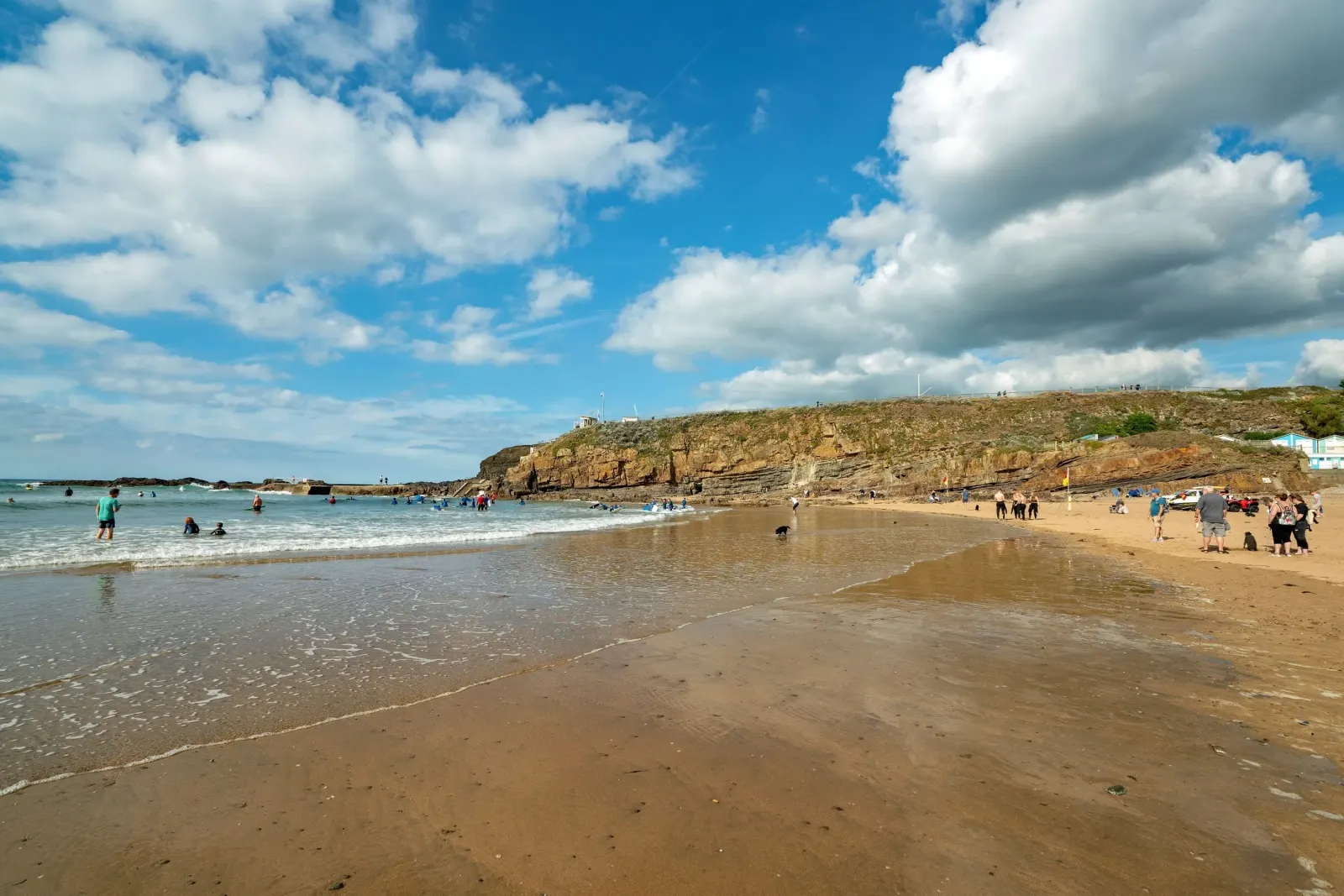
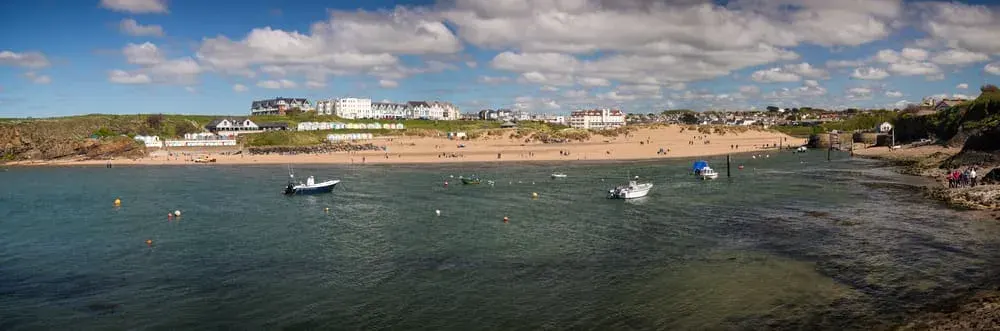
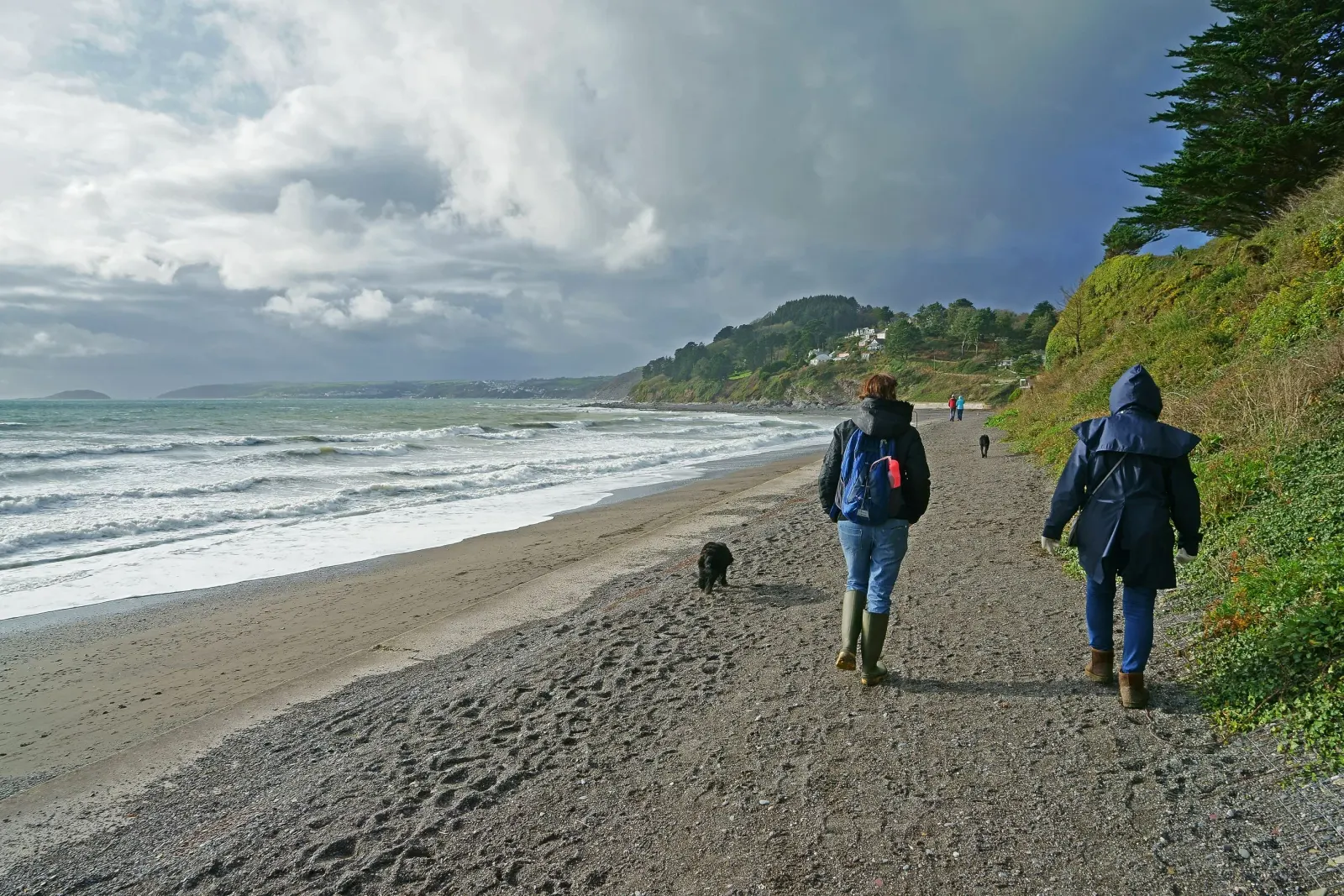
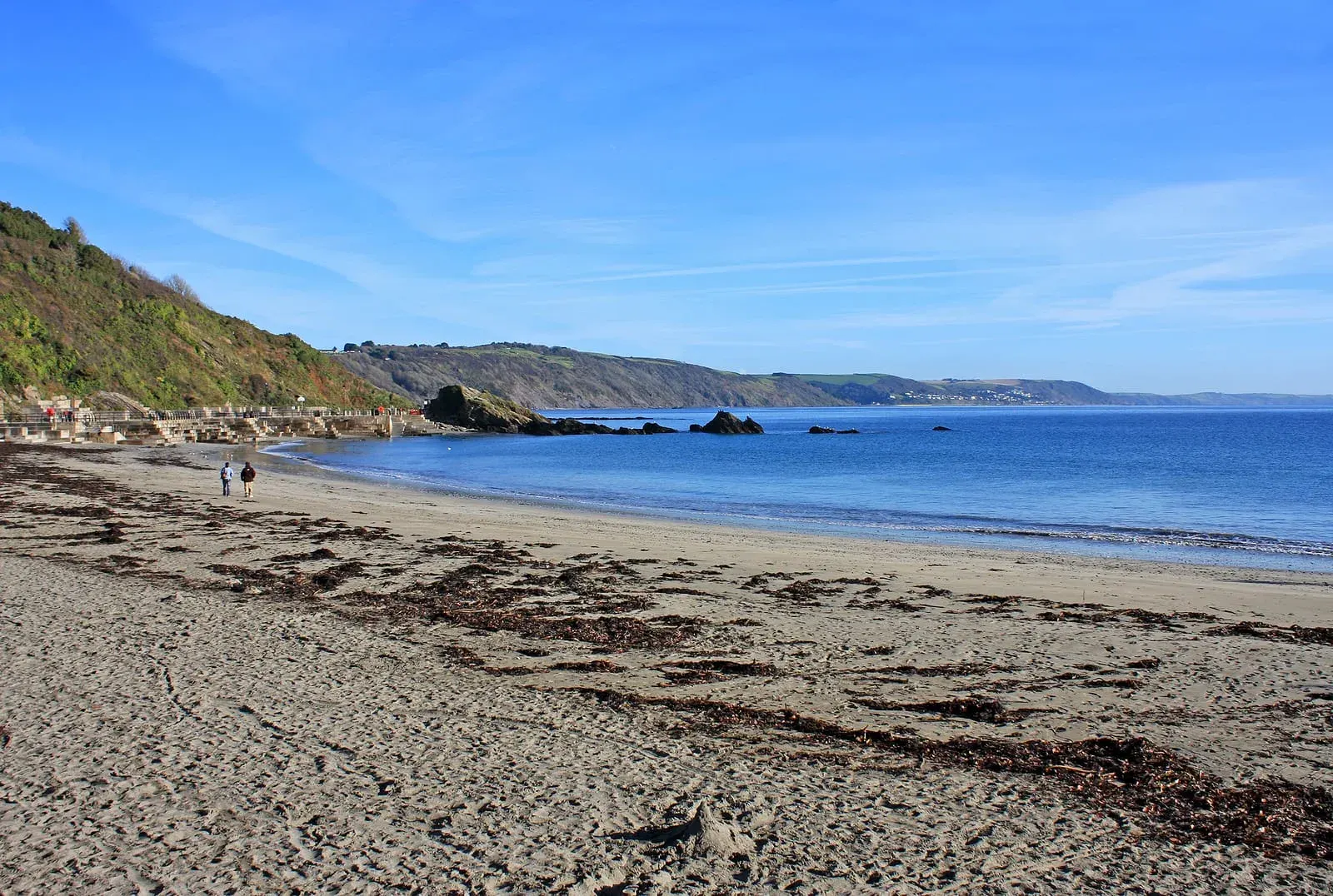
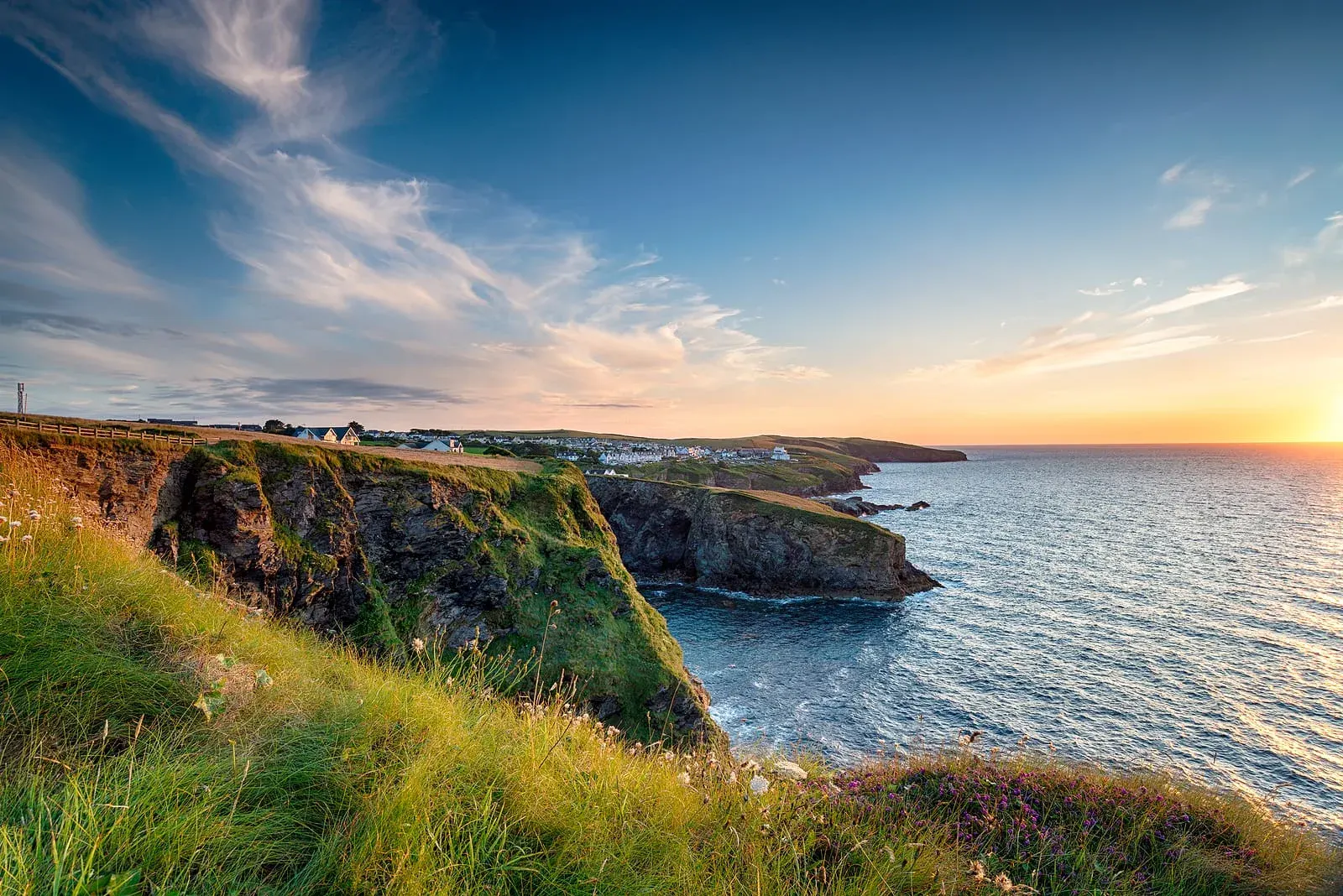
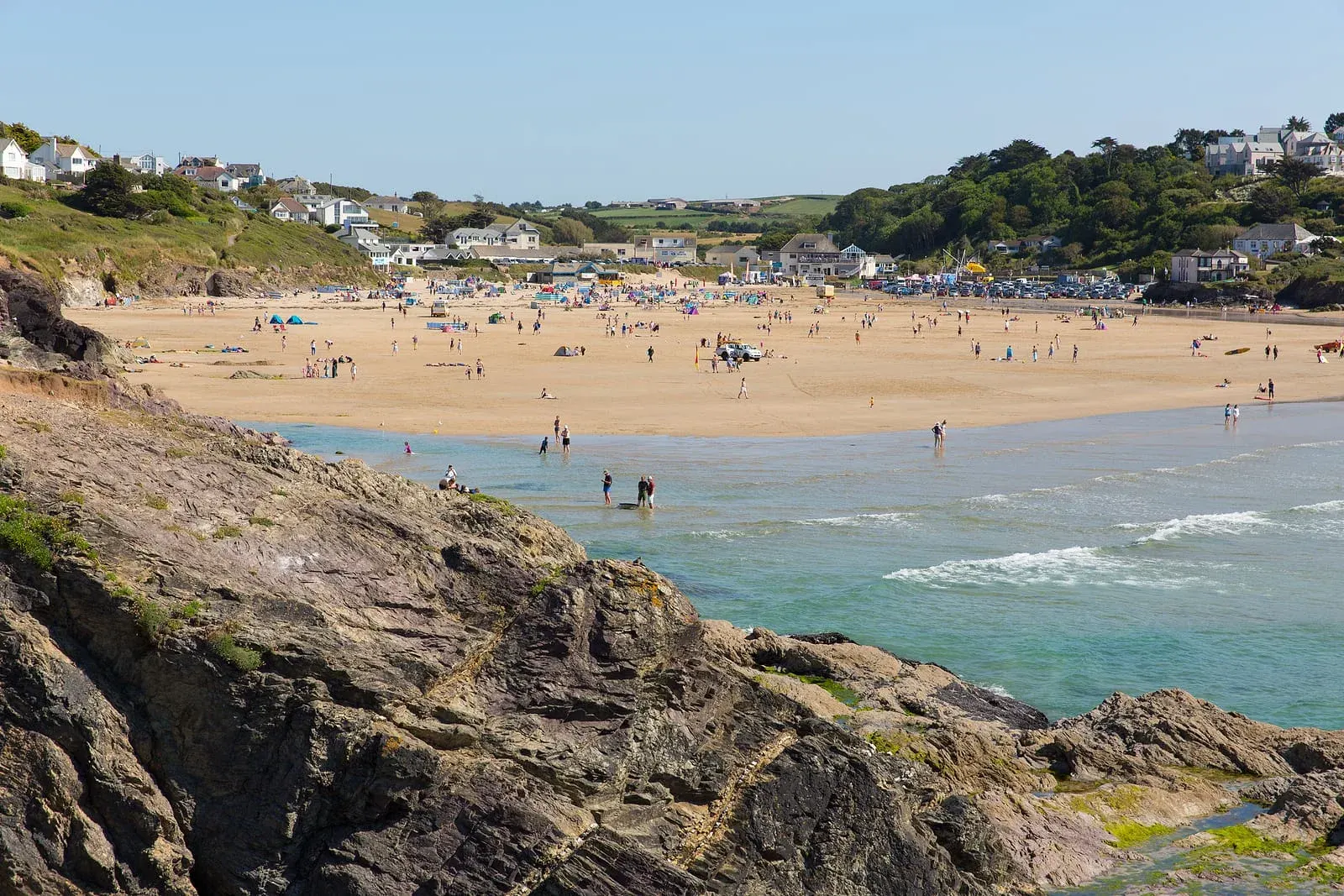
The nearest beaches to Launceston are on the North Cornwall coast, including Bude, about 18 miles away (30–35 minutes by car). Beaches like Crooklets and Summerleaze offer surfing, family-friendly sands, and coastal walks, making them popular day trips from the town.
Launceston in Cornwall is twinned with Plestin-les-Grèves in Brittany, France. The partnership celebrates cultural exchange, local events, and community links between the two historic towns.
Launceston is famous for Launceston Castle, historic architecture, and cobbled streets. Known as the “Gateway to Cornwall,” the town has a rich history dating back to Norman times and serves as a hub for exploring Cornish heritage and countryside.
Launceston (Cornwall, England) is pronounced “LAWNS-ton”, with two quick syllables. Many visitors say “Laun-ces-ton,” but that pronunciation refers to the Launceston in Tasmania, not Cornwall. Locals often notice incorrect pronunciations, as it is one of several Cornish place names that frequently challenge visitors.
According to the 2021 Census, Launceston has 8,428 residents, up from 7,754 in 2011. This represents an average annual growth of about 0.86% over the decade, reflecting a steady increase in the town’s population.
Launceston is easiest to reach by car, just off the A30, about 43 miles west of Exeter. Visitors can also travel by train via Exeter or Plymouth, followed by a bus or taxi, or fly into Exeter or Newquay Airport, both within a 45-minute drive. Once in town, most attractions are within walking distance, with local buses available for longer trips.
The main attractions in Launceston include Launceston Castle, the Cornish Heritage Museum, St Mary Magdalene Church, and the town’s historic cobbled streets. The surrounding Cornish countryside and nearby Tamar Valley also offer walking, cycling, and scenic day trips.
Yes — Launceston is dog-friendly, with many pubs, cafés, and shops welcoming dogs on a lead. Nearby countryside trails, Bodmin Moor, and riverside walks also make it ideal for pet-friendly exploration in Cornwall.
Yes — Launceston is partially accessible for people with limited mobility, with paved streets, accessible shops, cafés, and some attractions like Launceston Castle offering ramps and assistance. Hilly areas and cobbled streets may be challenging, so planning ahead is recommended.
Yes — Launceston is family-friendly, with Launceston Castle, the Lawrence House Museum, parks, and walking trails. Nearby Bodmin Moor and Tamar Valley offer outdoor adventures, making it a great base for family holidays in Cornwall.
Written by
Rob has a background in publishing. After a 15-year stint in London and travelling the world, he returned to Cornwall to throw down roots. Fuelled by an insatiable appetite for knowledge and projects, he craves Cornwall, ribs Devon and deploys a strict ‘jam first’ policy!
42 articles published on Cornwall.co.uk
Read more from Rob →
Comments
No comments yet — be the first to share your thoughts.
Leave a comment
Your email won’t be published. Comments are checked before they appear.